Zwarter dan Zwart | Darker than black
Zwarter dan Zwart | Darker than black
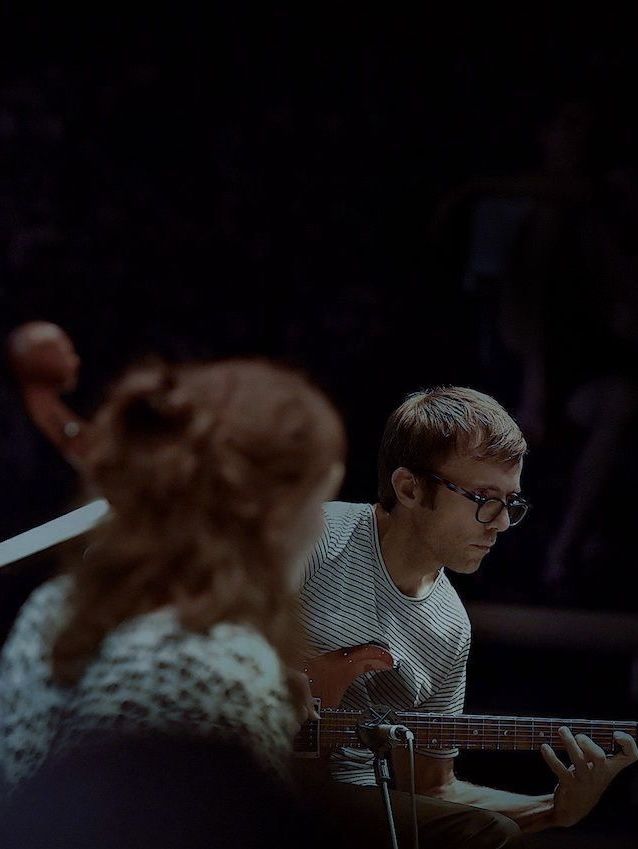
A concert programme of short songs, from the past and present, as they used to say in times that have become such a distant memory,
that we often wonder whether they really existed or whether they were just a dream
(but who can prove that we are really awake? ). A concert that verges on simplicity, calm and sadness,
were it not that you can feel that the musicians are consumed by a passion for all things ornamental, the twilight zone and the bizarre.
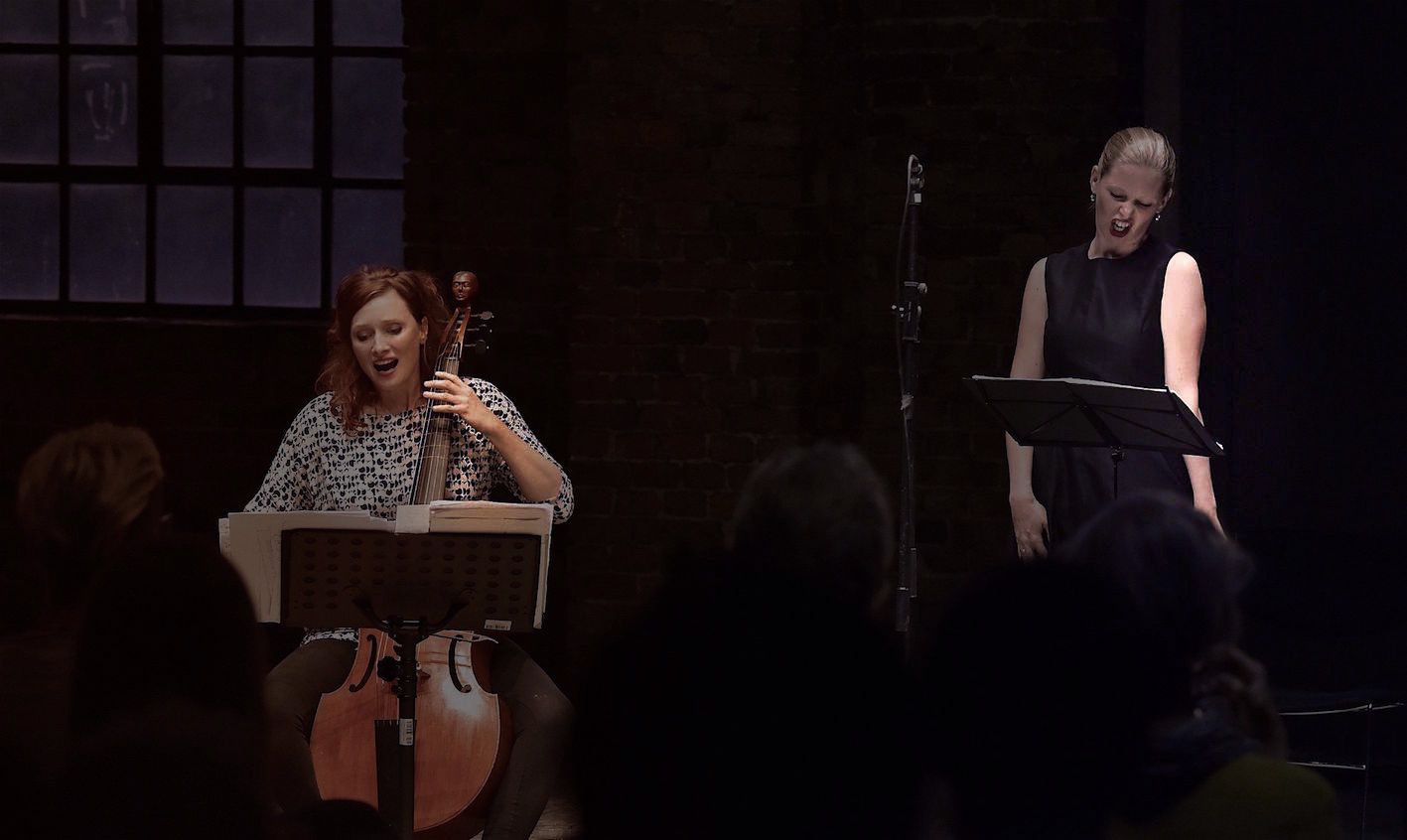
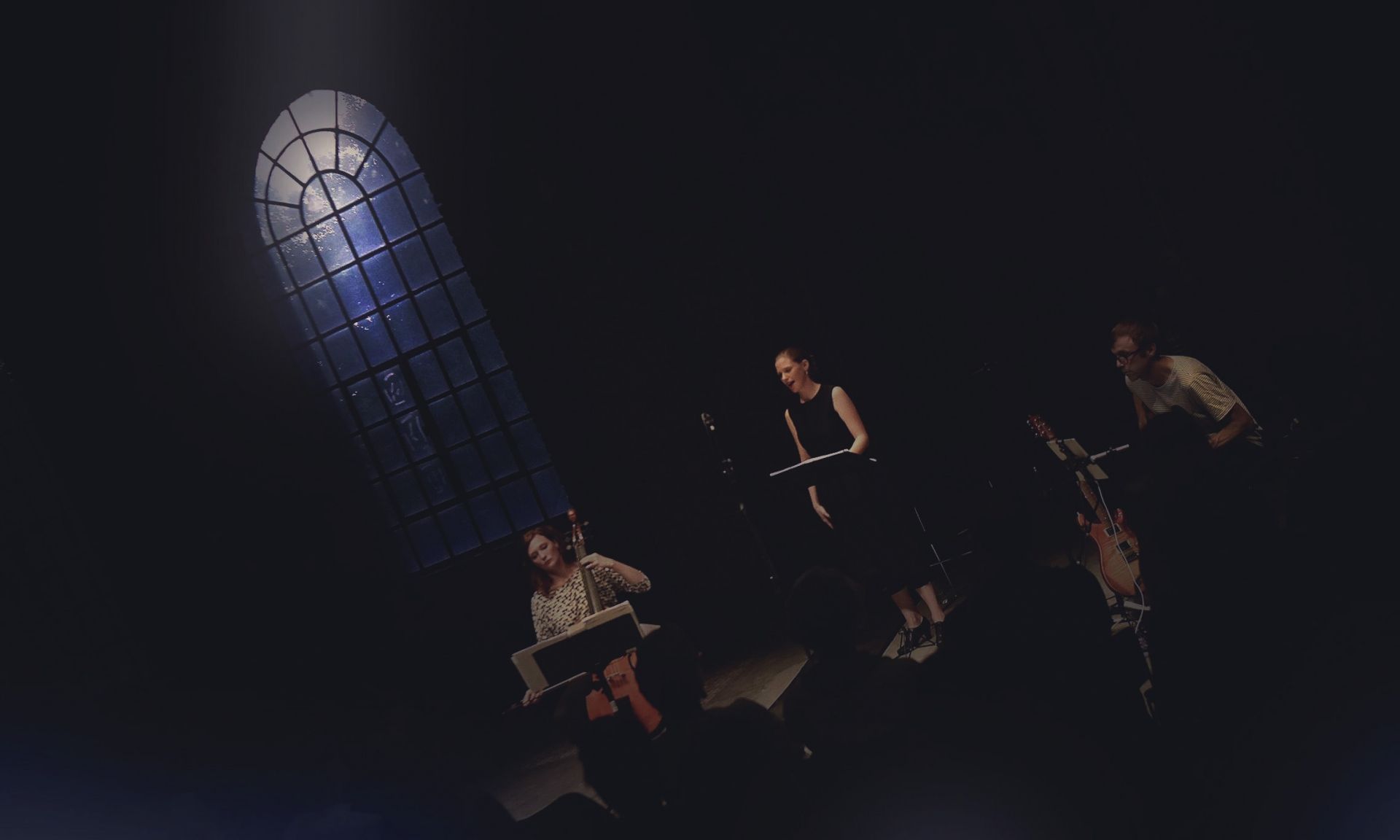
A clear voice without vibrato, an acoustic or electric guitar, Eva Reiter’s subtle way of playing the viola da gamba — all slightly amplified — form a patchwork of tormented and delightful miniatures: short bitter-sweet melodies, Purcell-style ostinati (with the music of Filidei, for example), pop songs that have been slowed down a hundred times, nocturnal confidences …
When time fragments and the past wavers...
Acedia: sadness, depression. Guillaume d'Auvergne describes a person afflicted with acedia as being “sick of God”. This tædium dei, this disgust of God, represents the greatest of sins. According to Giorgio Agamben, medieval acedia can take on the following forms:
In the first place there is malitia (malice, ill will), the ambiguous and unstoppable love-hate for good in itself, and rancor (resentment), the revolt of the bad conscience against those who exhort it to good;
pusillanimitas, the ‘small soul’ and the scruple that withdraws crestfallen before the difficulty and the effort of spiritual existence;
desperatio, the dark and presumptuous certainty of being already condemned beforehand and the complacent sinking into one’s own destruction, as if nothing, least of all divine grace, could provide salvation;
torpor, the obtuse and somnolent stupor that paralyzes any gesture that might heal us; and finally, evagatio mentis (wandering of the mind), the flight of the will before itself and the restless hastening from fantasy to fantasy. The latter manifests itself in verbositas (garrulity), the proliferation of vain and tedious speech; curiositas, the insatiable desire to see for seeing’s sake that disperses in always new possibilities.
(Giorgio Agamben, Stanze 1977)
GALLERY
CAST & CREDITS
WORKS
- Lore Binon, soprano
- Eva Reiter, viola da gamba
- Tom Pauwels, electric and acoustic guitars
JÜRG FREY (born 1953) Abendlied, from « 50 Sächelchen »
for guitar
JOHN DOWLAND (°1563) Mourne, Mourne, Day is with Darkness fled
for voice, gamba, guitar; What if A Day, for guitar
ARTHUR LAVANDIER (°1987) My Naked Lady framed
for soprano and gamba
TOBIAS HUME (°1569) What greater Grief
for voice and gamba
TOBIAS HUME (°1569) Loves Farewell
for solo gamba
WOLFGANG MITTERER (°1958) Mourn, Mourn
for soprano, gamba and guitar
JÜRG FREY (°1953) Cadillac
from « 50 Sächelchen » for guitar
BERNHARD GANDER (°1959) Darkness awaits us
for soprano and gamba
THOMAS CAMPIAN (°1567) All looks be pale
for soprano, gamba and lute
FRANCESCO FILIDEI (°1973) ... And here they do not
for soprano and gamba
JOHN DOWLAND (°1563) Time stands still
for soprano, gamba and guitar
STEPHEN GOODALL (°1650) Untitled
for solo gamba
BURKHARD STANGL (°1960) Nights
for soprano, gamba and guitar
BERNHARD GANDER (°1959) Lamenti I
for gamba and guitar
EVA REITER (°1976) My iron-spurred Lady
for performer and guitar
JÜRG FREY (°1953) No 32, from « 50 Sächelchen »
for guitar
BURKHARD STANGL (°1960) With you
for soprano, gamba and guitar