Ictus Invites George Lewis
✕
In this project, students from the conservatories of Antwerp, Brussels, and Ghent perform the ambitious and visionary work P. Multitudinis (2018) by American composer George E. Lewis. Students from jazz, classical, and contemporary music practices join together to form a temporary "creative orchestra," in which diverse performance traditions, aesthetic frameworks, and listening attitudes converge.
P. Multitudinis is a large-scale work that is partially open in terms of instrumentation and scale. It has several sub-ensembles and has no central score. Instead, musicians work with precisely notated material that can be deployed flexibly, as well as a grid of tasks suggesting ways to relate to the unfolding sound environment. Choices are made collectively during the performance, and new musical material constantly emerges in direct relation to the current situation—which is why Lewis prefers the term "situational form" over "open form". The performance is not a definitive version, but a unique snapshot of an ensemble shaping music as a living, relational, and social process.
With this work, Lewis refers to a passage from Baruch Spinoza’s Tractatus Politicus (1677):
“Civitatis jus potentia multitudinis, quæ una veluti mente ducitur, determinatur. At hæc animorum unio concipi nulla ratione posset, nisi civitas id ipsum maxime intendat, quod sana ratio omnibus hominibus utile esse docet.”
“The right of a commonwealth is determined by the power of a people that is guided as though by a single mind. But this union of minds could in no way be conceived unless the chief aim of the commonwealth is identical with that which sound reason teaches us is for the good of all men.”
For Spinoza, legitimacy does not rest on the authority of an individual, but on the power of the "multitude"—a community acting temporarily as one mind. At the same time, he emphasizes that such unity is only possible when action is directed toward a shared common interest. In P. Multitudinis, this thought translates into a musical practice where form arises from shared attention, collective decision-making, and mutual responsibility.
Lewis's work is inextricably linked to the aesthetics and philosophy of the Association for the Advancement of Creative Musicians (AACM), the influential African-American artist collective founded in Chicago in 1965. The AACM developed a radical model of musical practice in which composition, improvisation, education, and community building are interwoven. Central to this is the principle of creative autonomy: musicians are encouraged to develop their own systems, notations, and forms, moving beyond fixed stylistic categories or institutional expectations.
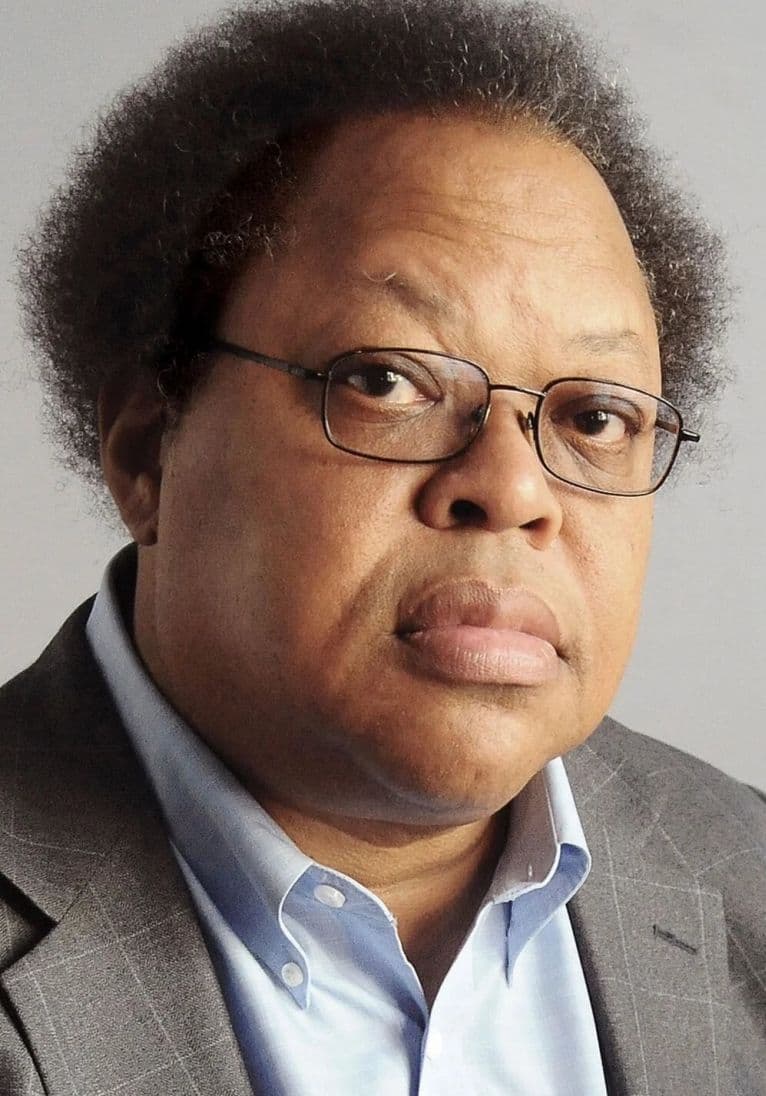
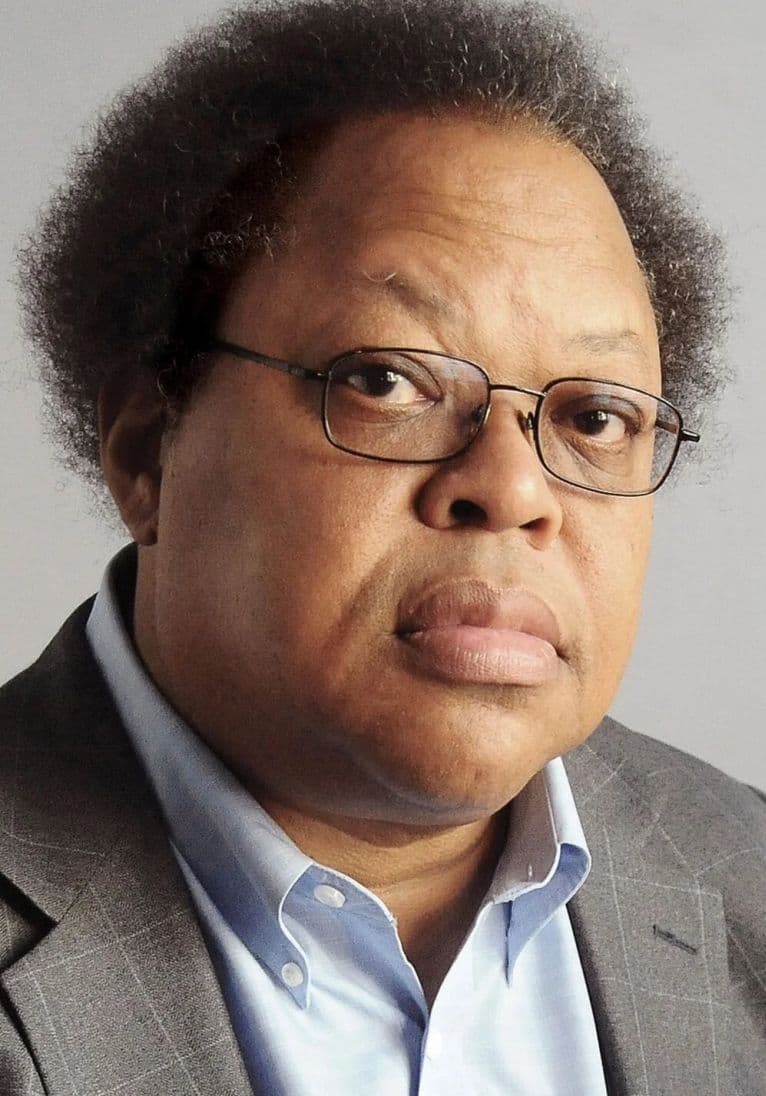
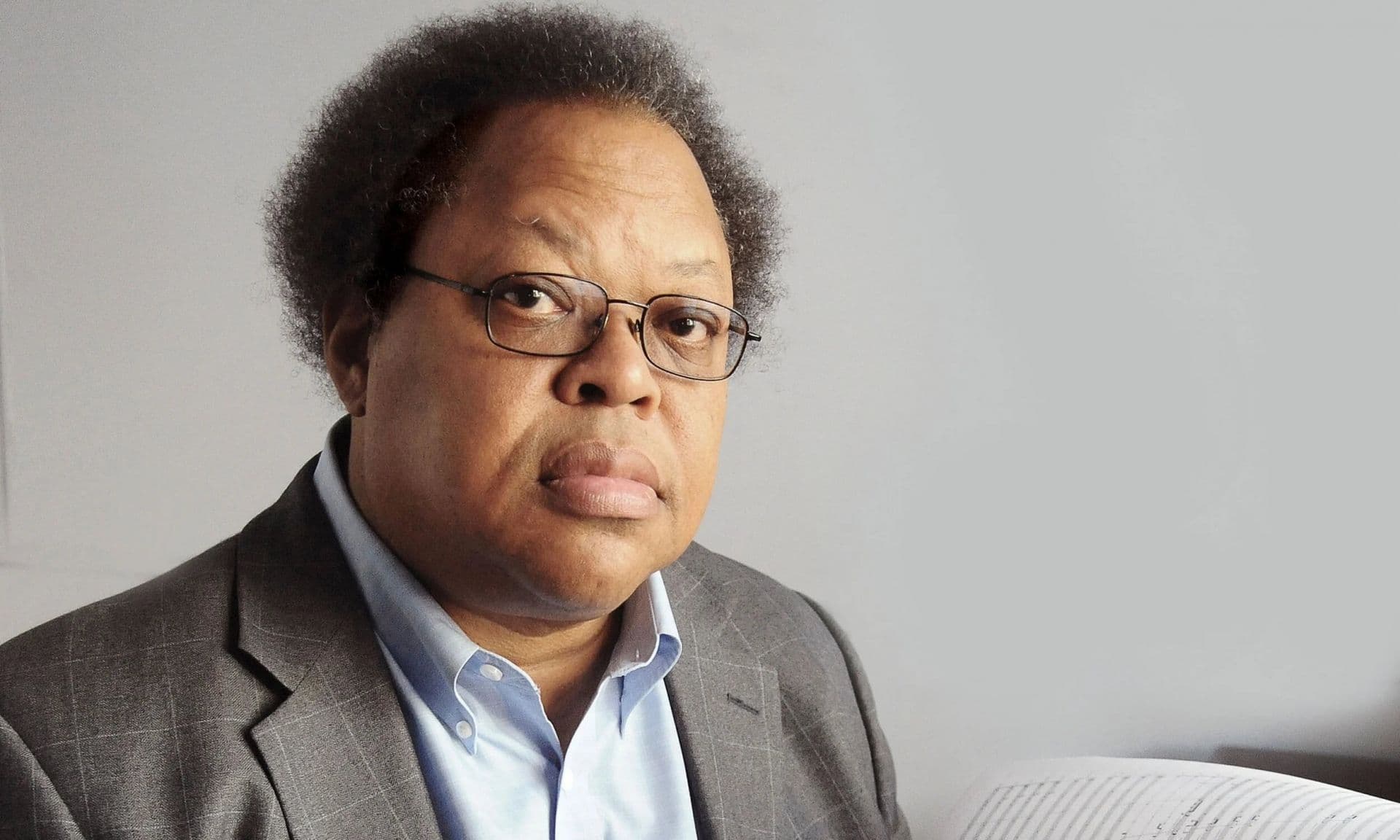
Lewis, a member of the AACM since the 1970s, has continued this tradition not only as a composer and performer but also as an author and academic who has analyzed it deeply. His book A Power Stronger Than Itself: The AACM and American Experimental Music (2008) is now considered a seminal work in twentieth-century music historiography. In this extensive research, Lewis rewrites the canon of American experimental music by positioning the AACM not as a marginal phenomenon of "avant-garde jazz," but as a central force within the history of experimental composition. Simultaneously, he undermines the classic "genius narrative": the focus is not on individual heroism, but on collective structures, networks, and shared knowledge production.
Lewis translates this same emphasis on community into his opera Afterword, based on the book, in which the community rather than the individual takes center stage. In an extensive profile of Lewis in The New Yorker (2024), Alex Ross quotes a key line from the libretto: “Heroes, gods, and masters do not exist in our sight”. This statement resonates directly in P. Multitudinis: here, form emerges not from hierarchical control, but from the shared attention, responsibility, and imagination of the multitude.
P. Multitudinis stems from the conviction that contemporary musical practices are fundamentally hybrid, transversal, and socially situated. The ensemble functions as a laboratory in which students experiment with listening across stylistic boundaries, translating conceptual scores into performative decisions, and investigating power dynamics, leadership, and agency within a large collective. Lewis's music provides a concrete and experiential framework to put these questions into practice.
Kobe Van Cauwenberghe
⏣
The project is led by Kobe Van Cauwenberghe, who previously worked with the Creative Orchestra repertoire of Anthony Braxton (KCA, Brussels Philharmonic, Ictus). George Lewis himself will be present during the rehearsing process, making the performance an exceptional opportunity for direct artistic exchange between composer and performers.
GALLERY
CAST & CREDITS
WORKS
A Creative Orchestra with 40 musicians
in collaboration with
▶︎ The Royal Conservatory of Antwerp
▶︎ GAME – Ghent Advanced Master Ensemble
from KASK & Conservatory Ghent
▶︎ The Royal Conservatory of Brussels
Musical direction: Kobe Van Cauwenberghe
George Lewis: P. Multitudinis
Other performances:
05/05/2027 – DE SINGEL, Antwerp
06/05/2027 – Miry Zaal, Gent