Der Zwerg
Der Zwerg
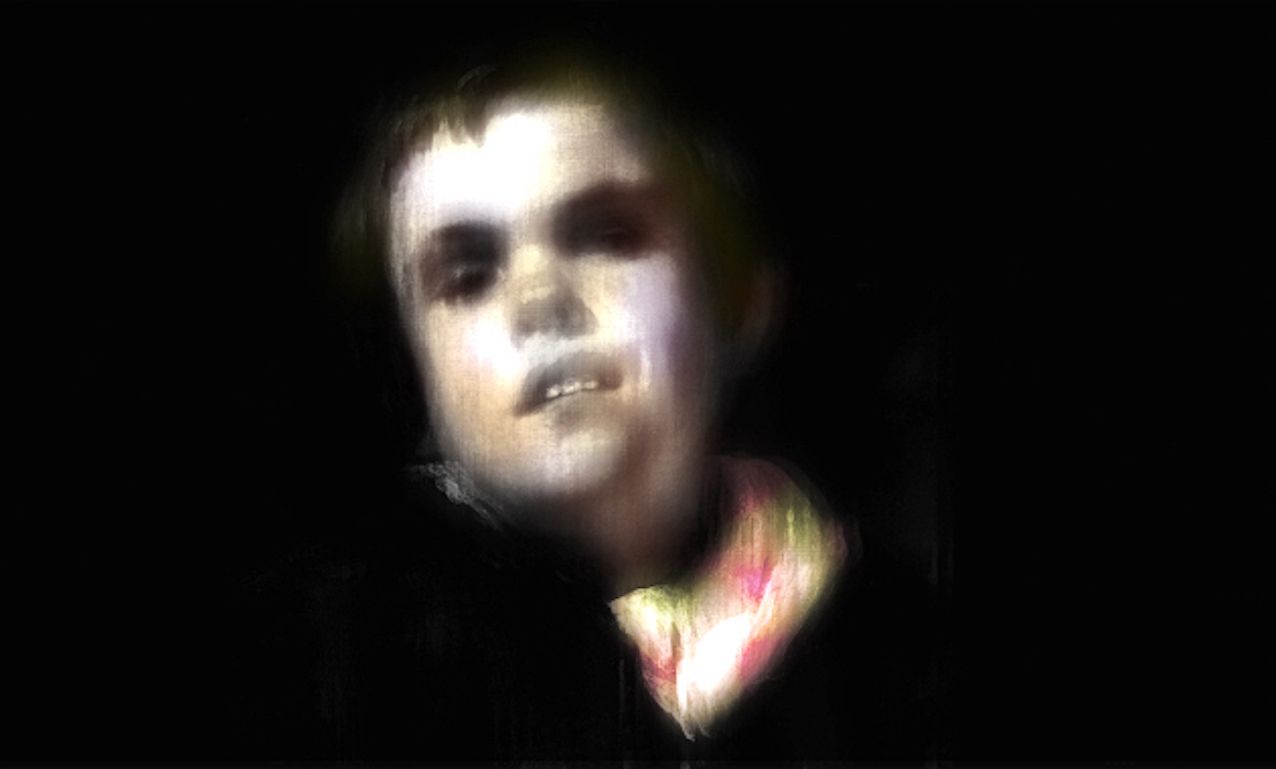
“I know of no other post-Wagnerian composer who could fulfil the theatre’s requirements with such nobility as Zemlinsky”, Schoenberg supposedly said – and there is the proof, The Dwarf, which was brilliantly adapted from Oscar Wilde’s The Birthday of the Infanta, tells the story of the brief encounter between a cruel princess and a dwarf that has been transfigured by the profoundness of his feelings.
This cruel fable will be performed at Opéra de Lille in a new staging by Daniel Jeanneteau. It offers a wonderful opportunity to discover the work in all its intimacy, with a cast of singers as young as the characters they are playing, who will be able to give free reign to their dramatic power. Perfect in its proportions, lively and incandescent, this Dwarf has all the makings of a giant.
‘‘
FROM OSCAR WILDE’S ELEGANT AND CRUEL VIGNETTE,
Zemlinsky took what he needed to create a searing tragedy, transmuting the disillusioned irony of the fable into an astounding parable about sincerity and true love…
In this short work with its saturated tones and its asymmetrical and subtle structure, Zemlinsky shares the tragedy of his own painful existence, the unbearable hiatus which, throughout his life, separated the deep awareness he had of himself from his external appearance: he was ugly, but gifted with an extraordinary artistic sensitivity; his mere appearance, however, was enough to disqualify him.
The opera begins like a frivolous and charming distraction; changes register mid-way, even changes theatricality, to suddenly rush towards a particularly abrupt end. Its opening resembles a courtly painting by Velasquez and its ending a dark painting by Goya. A harsh, implacable sarcasm, that literally leaves us gasping for breath.
To restore the full power of such an exceptional dramaturgy, it seems to me that it is vital to work with the singers on the issue of the body, on the integration of beings with social structures by training fysical bodies. The Infanta and the young girls who accompany her are educated, have been prepared for their appearance in the large organisational chart of the court, and in spite of their impertinences, they do not in any way detract from the overriding order that they are expected to embody, since birth and according to their rank; the Dwarf however is a wild child, who has not received any formal education and has not been tamed in any way, with the aim of maintaining his natural state and ensuring he remains a subject of derision. He is a gift that you offer yourself, the mirror in which the dominant order can ironically enjoy its humanity, little more than a monkey.
Nothing else is needed really to stage such a fable: this is a tale of relationships, distances and proximities, and of a heart that burnt with love without being ready for lies and jibes.
Daniel Jeanneteau
‘‘
GALLERY
CAST & CREDITS
WORKS
- Franck Ollu, Conductor
- Daniel Jeanneteau, Stage direction and stage design
- Marie-Christine Soma, Light design
- Olga Karpinsky, Costume design
- Nicolas Chesneau, Vocal coach, assistant conductor
- Olivier Brichet, Stage direction assistant
(1871-1942)
Der Zwerg (The Dwarf, De Dwerg, le Nain)
one-act opera, 1922
Libretto by Georg C. Klaren
after "The Birthday of the Infanta" by
Oscar Wilde
Music arranged for chamber ensemble of eighteen musicians by
Jan-Benjamin Homolka