Waits | Weill
Waits | Weill
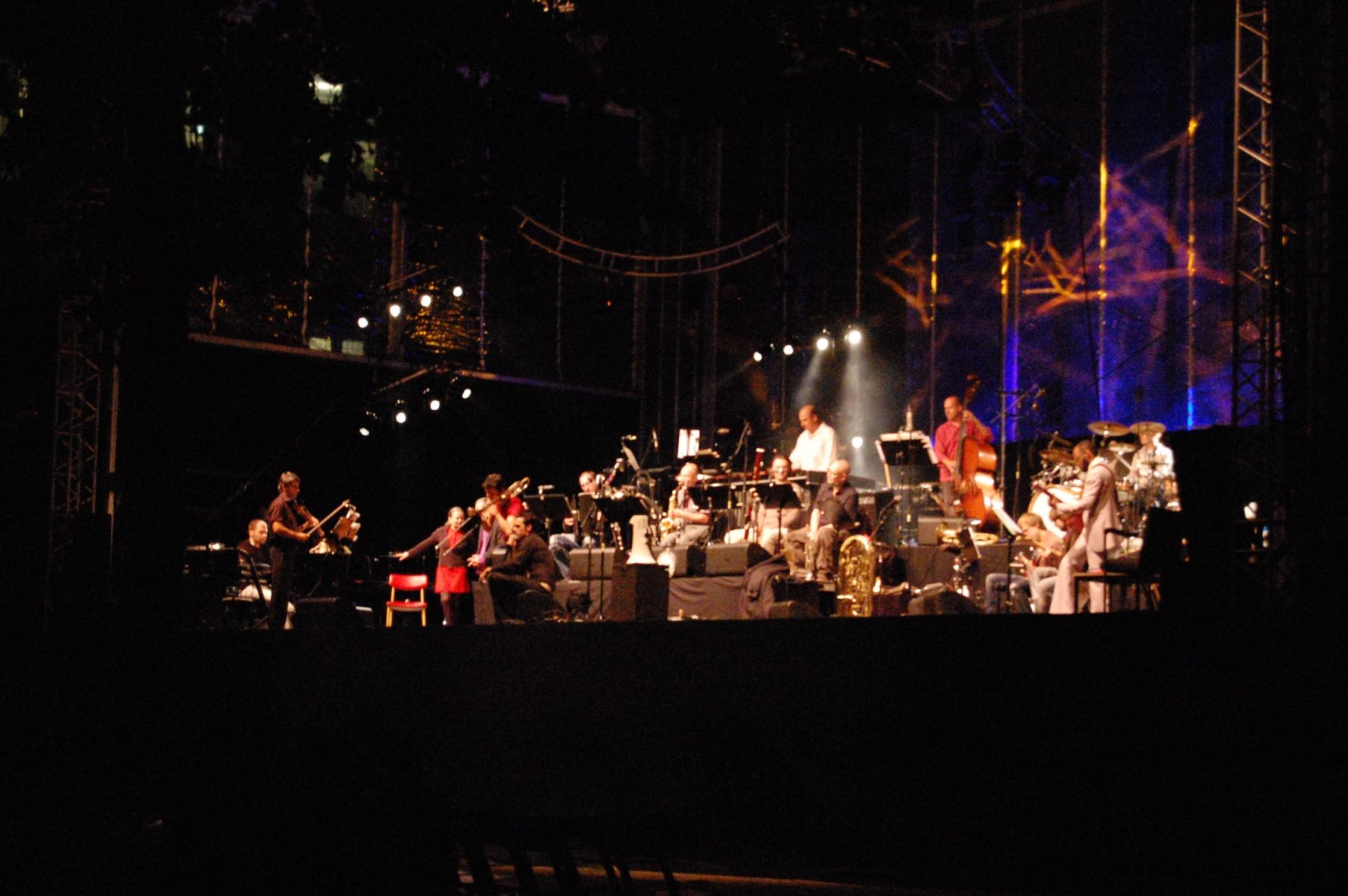
Tom Waits has written two operas, one of them (The Black Rider) with William Burroughs. They are operas about beggars and thieves, traumatic from start to finish. We shall present some of his ‘arias’ in concert, sung by the blues singer Kris Dane, to reveal the kinship and contrasts with the operas of Weill during his German period (but without any fetishist fascination for the Weimar caßbarets) and his American period (Weill’s true cursed works, that is, his unjustifiable Hollywood slows). Vocals: Judith Vindevogel.
Tom Waits puts the Berlin composer in perspective. There is the same genius of subtly asymmetrical melody, the same troubling sense of being off in the harmony, and the same way of using the three themes of popular song: revolt, love song, and drunkenness. Weill incarnates this facet of modernity, which refuses to reconsider its foundations, marvellously well, and contents himself with laying them down askew. It’s diagonal poetry that talks about limping lives and unravelled love. We haven’t the heart, we haven’t the time to grapple with great art head on.
This project involved two arrangement exercises. First came the free transcription of Waits’ instrumental scores (semi-improvised on the CD), and then the reduction (which was just as free) of Weill’s orchestra scores for a chamber ensemble. Three Belgian composers - François Deppe, Fabian Fiorini, and Jean-Luc Fafchamps - dipped their pens in this most Saturnine ink.
Excerpt from a press review
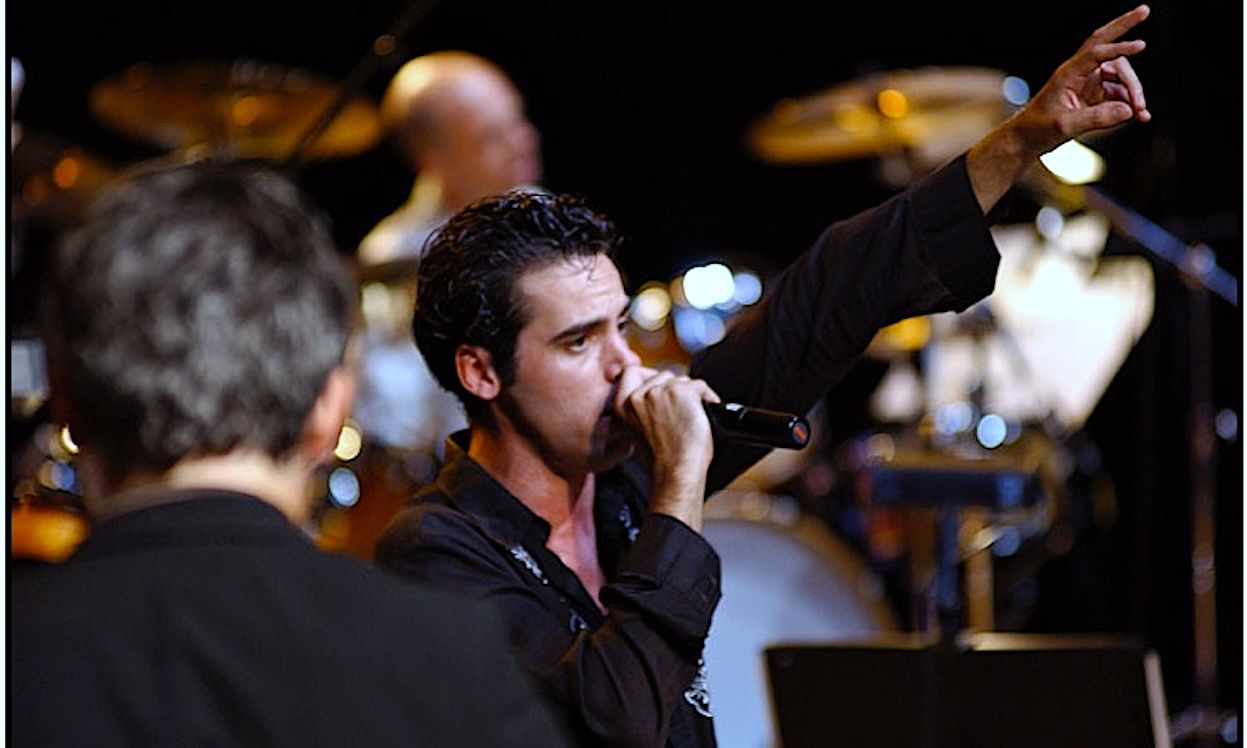
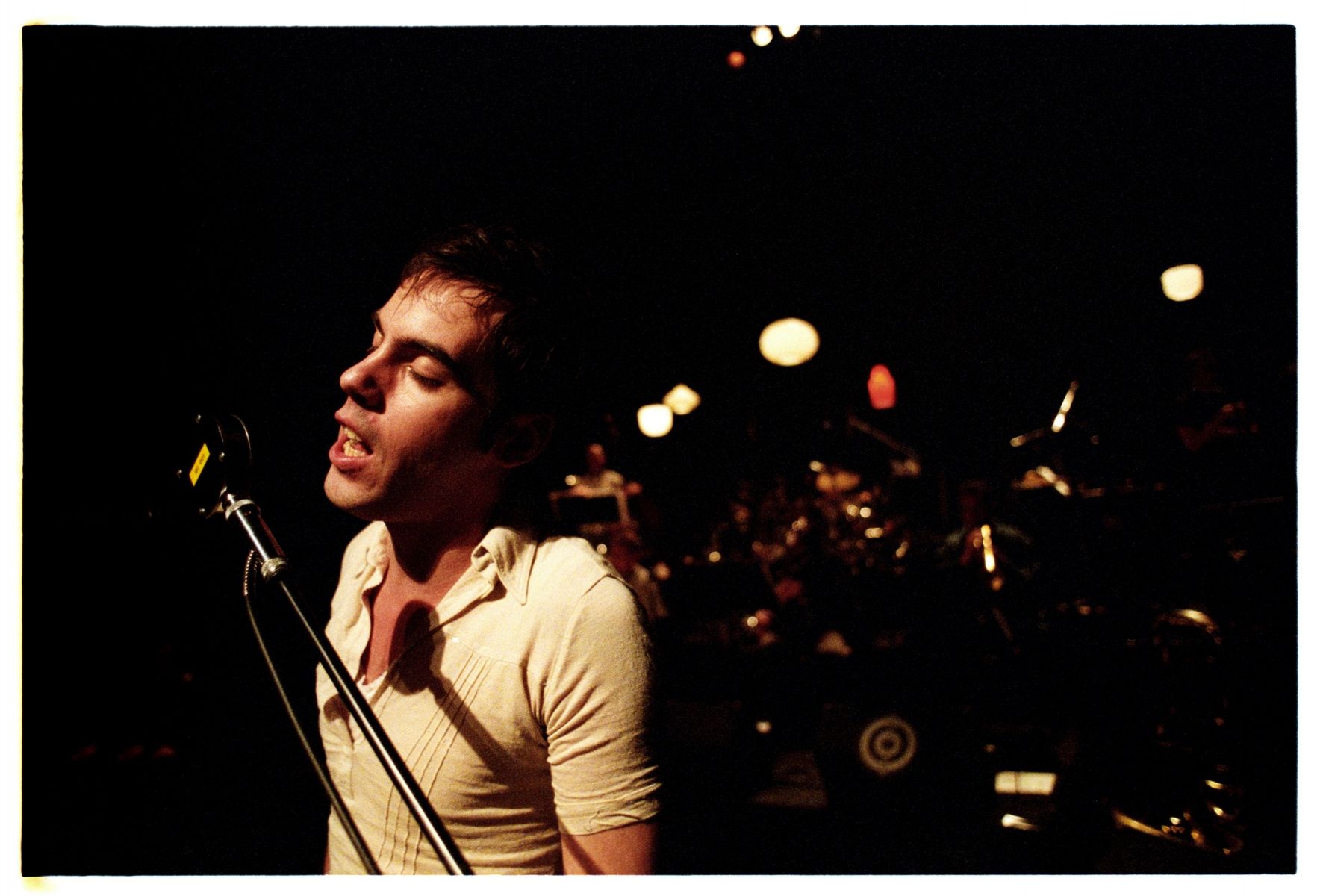
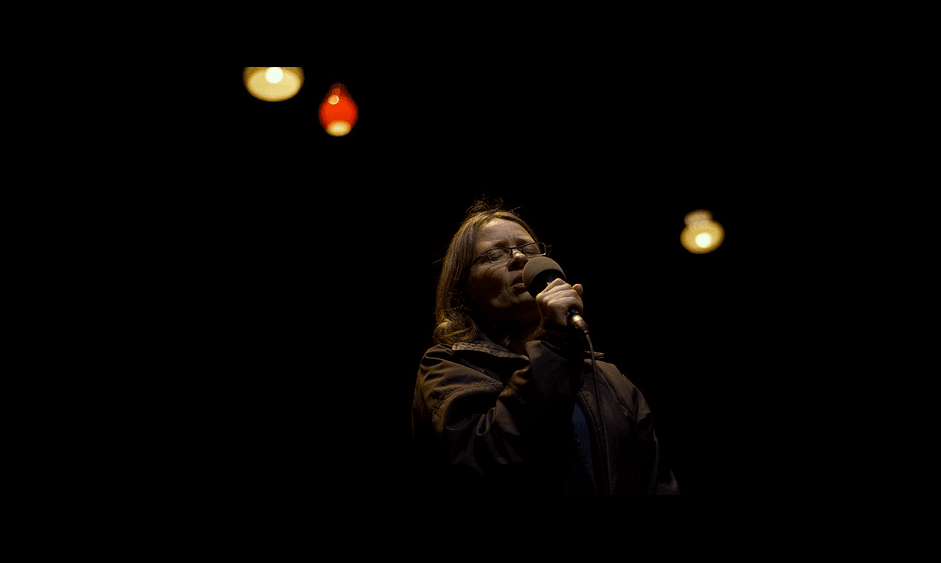
In their work, the arrangers have respected both the anarchic nature of Waits’ songs and Kurt Weill’s acerbic tone. But the true challenge is in the singer’s rendering. This challenge was taken up by Judith Vindevogel, who proved to be a phenomenal singer of Weill’s music. Her broad expressive palette - she is as much at ease in the lyrical legato as in the ironic parlando - gave Kurt Weill’s best-known airs (such as in Sabaya Johnny or, more particularly, in Seeräuber-Jenny) a most incredibly powerful impact. The rock singer Kris Dane had the ungrateful task of making us forget Tom Waits’ inimitable sand-paper voice. He carried this off quite well by at times singing into the microphone and a megaphone simultaneously, which gave his voice all the cutting edge that it required. Backed up by a wild ensemble, Dane proposed a rendering that Waits would without a doubt have approved of. His version of ‘ I’ll Shoot the Moon’ is even better than the original, in my opinion.
(Maarten Beirens, De Standaard, May 6th, 2002)
GALLERY
CAST & CREDITS
WORKS
- Kris Dane, voices
- Judith Vindevogel, voices
- Fabian Fiorini, conductor
- Dirk Descheemaeker, clarinet, saxophone
- Dirk Noyen, bassoon
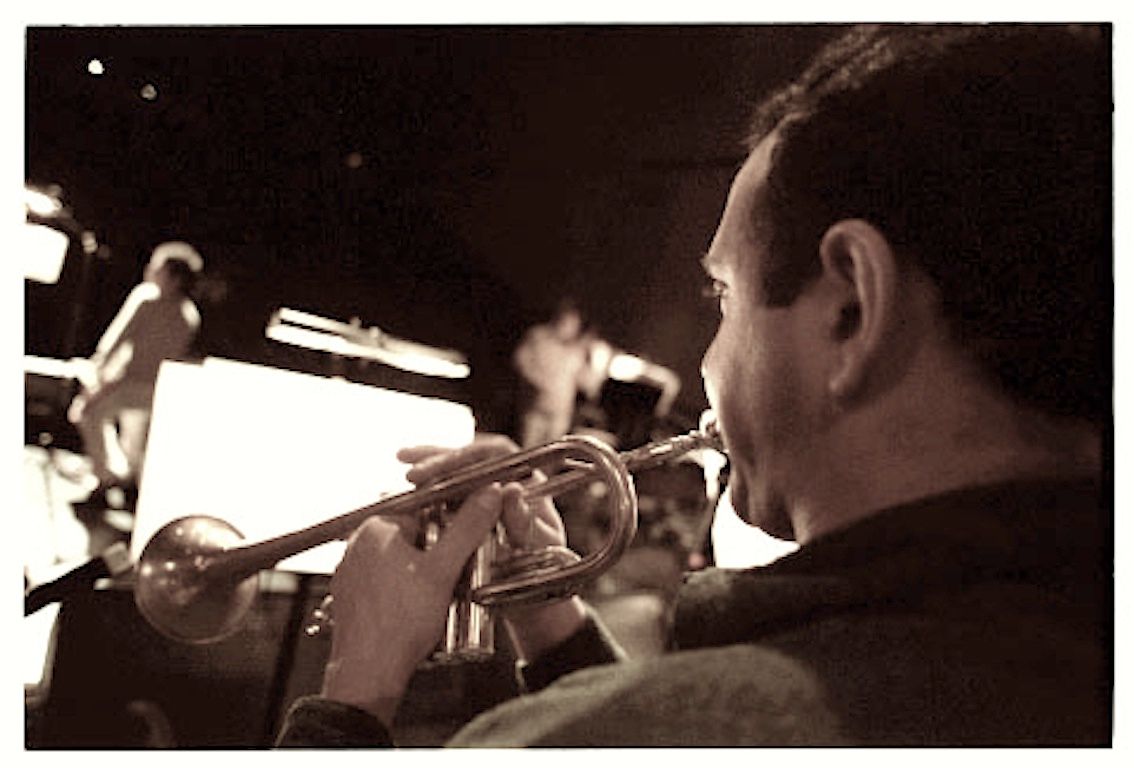
- Philippe Ranallo, trumpet
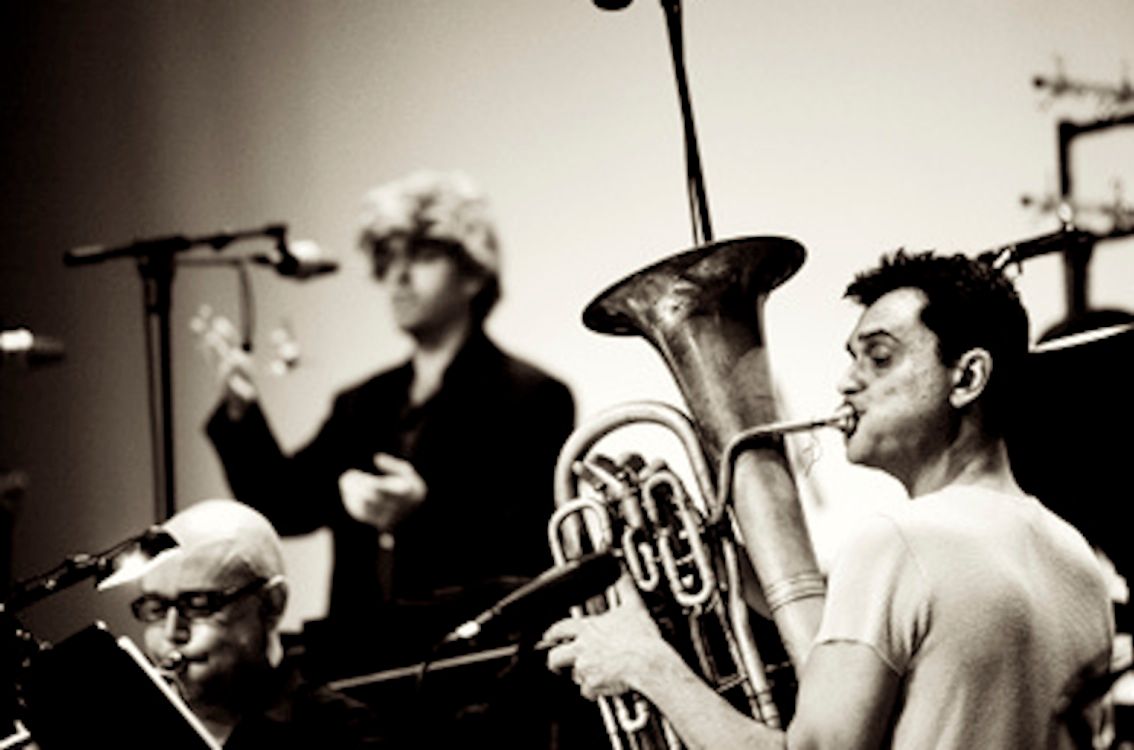
- Michel Massot, tuba
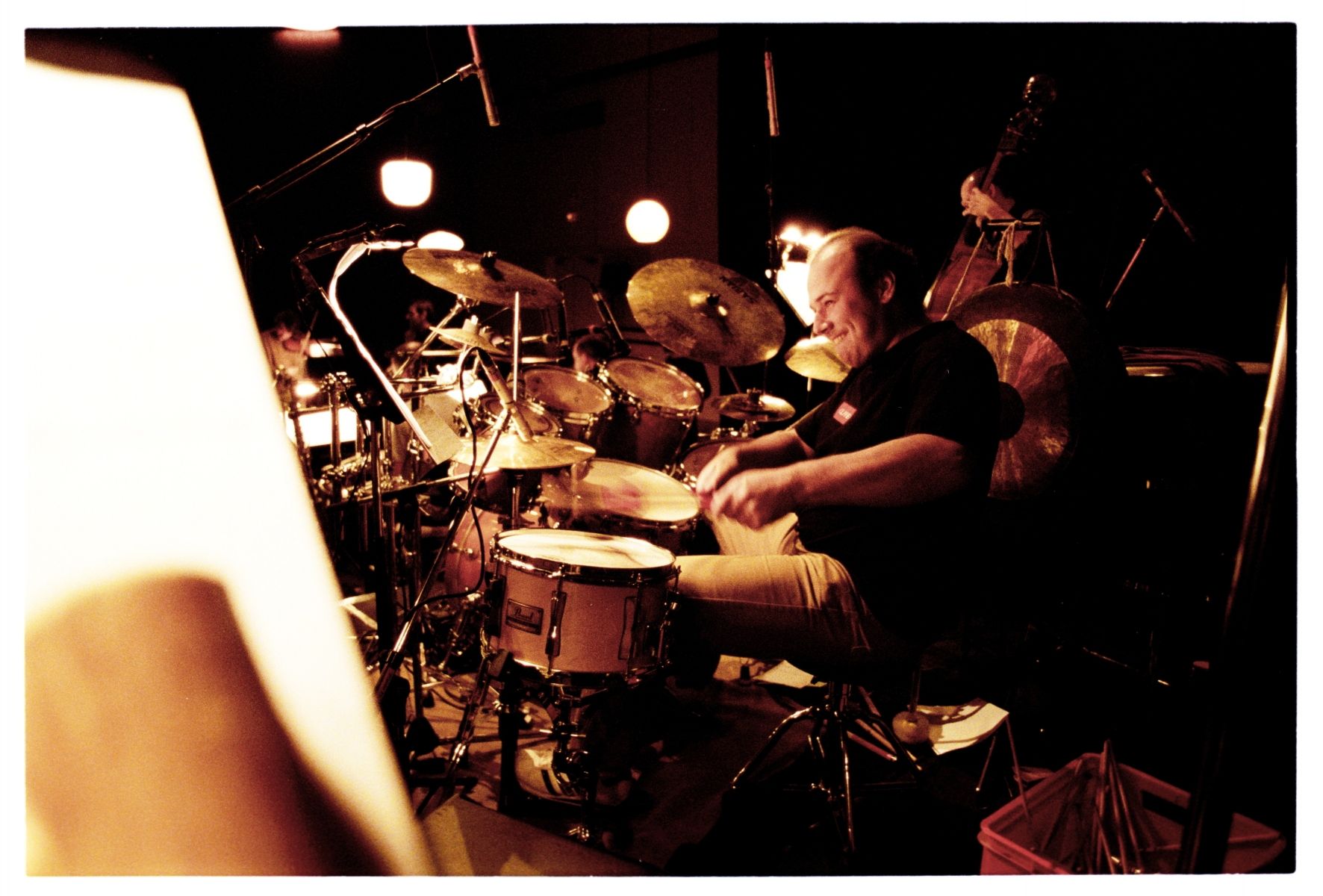
- Gerrit Nulens, drums and percussion
- Michael Weilacher, drums and percussion
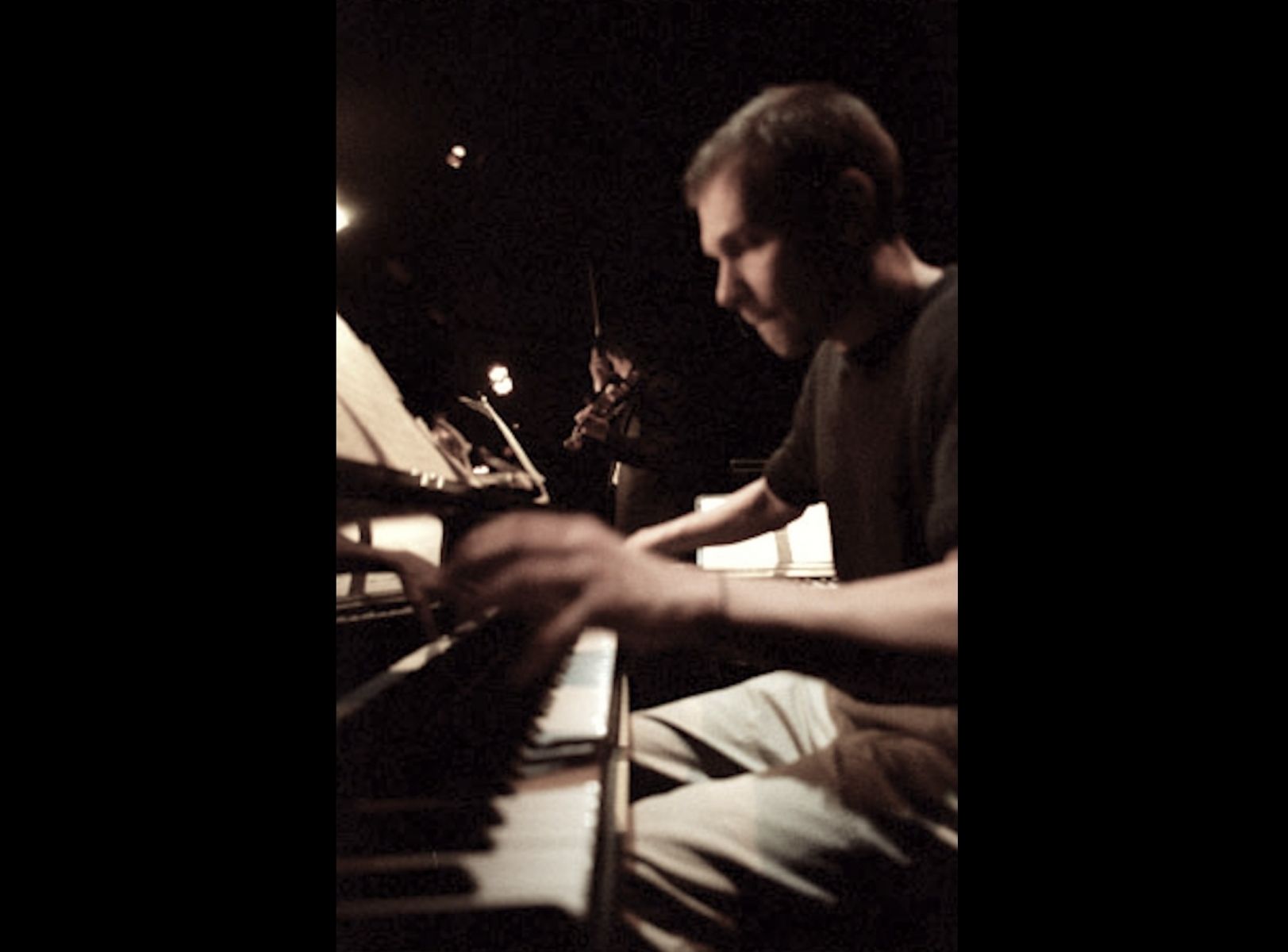
- Jean-Luc Plouvier, piano, keyboard
- Tom Pauwels, guitar, electric guitar, banjo
- Eric E.T., guitar, electric guitar, banjo
- Ludo Mariën, accordion
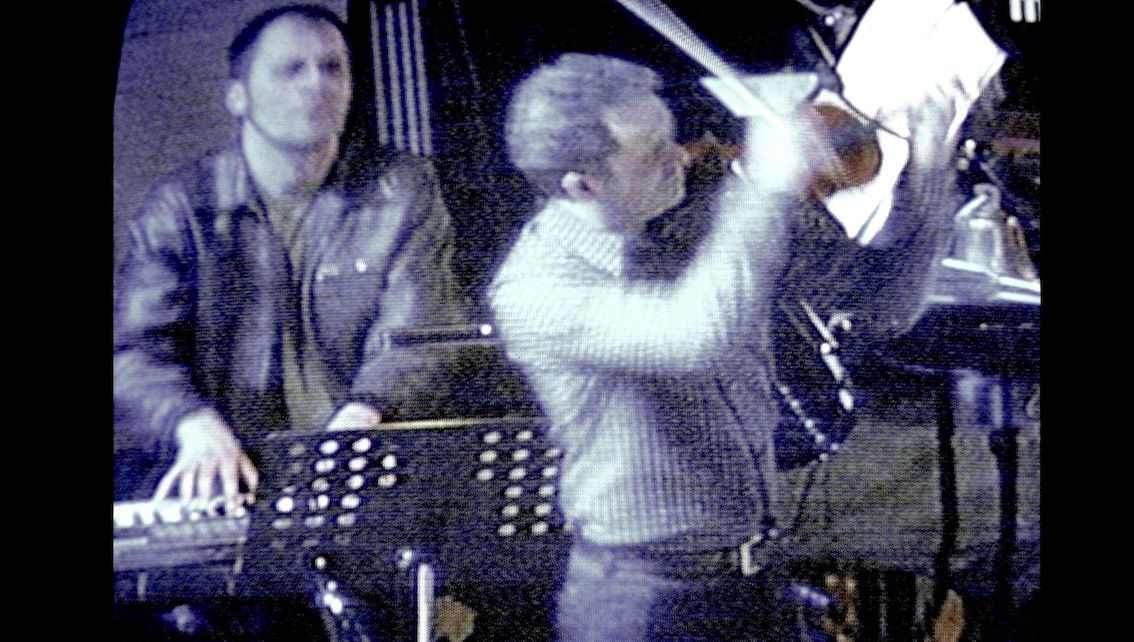
- Igor Semenoff, violin
- Géry Cambier, double bass, e-bass
- Tom Bruwier, lighting, stage
- Jan Herinckx, stage manager
- Alexandre Fostier, sound
- Handelsbeurs
(D) : arranged by François Deppe
(Fa) : arranged by Jean-Luc Fafchamps
(Fi) : arranged by Fabian Fiorini
- Lucky Day Overture (Tom Waits) (D)
- The Black Rider (Tom Waits) (D)
- Just the Right Bullets (Tom Waits) (Fi)
- t' aint't no sin (William Burroughs) (D)
- Way down in the hole (Tom Waits) (Fi)
- The briar and the rose (Tom Waits) (Fa)
- Barbara's Song (Kurt Weill / Bertold Brecht) (D)
- Polly's Lied (Kurt Weill / Bertold Brecht) (D)
- Surabaya Johnny (Kurt Weill / Bertold Brecht) (Fi)
- Die Moritat von Mackie Messer ((Kurt Weill / Bertold Brecht) (D)
- The Black Box Theme (Tom Waits) (D)
- Hang on Saint Christopher (Tom Waits) (Fi)
- Yesterday is here (Tom Waits) (Fi)
- Frank's Theme (Tom Waits) (Fa)
- Youkali (Kurt Weill / Roger Fernay) (Fa)
- Mahagonny Jenny (Kurt Weill / Bertold Brecht) (Fi)
- La Complainte de la Seine (Kurt Weill / Maurice Magre) (Fa)
- Alabama song (Kurt Weill / Bertold Brecht) (Fi)
- La Danse du Diable (Fabian Fiorini)
- My Ship (Kurt Weill / Moss Hart) (Fa)