
Gordon / Billone / Lanza / Appelbaum
Gordon / Billone / Lanza / Appelbaum
We like the Kaaitheater, without its tiers! After five ‘all-over’ Liquid Room experiences in recent years, we are proposing to our Brussels friends a less fragmented and more focused evening revolving around ‘special instruments’. Something between music and the art of sound.
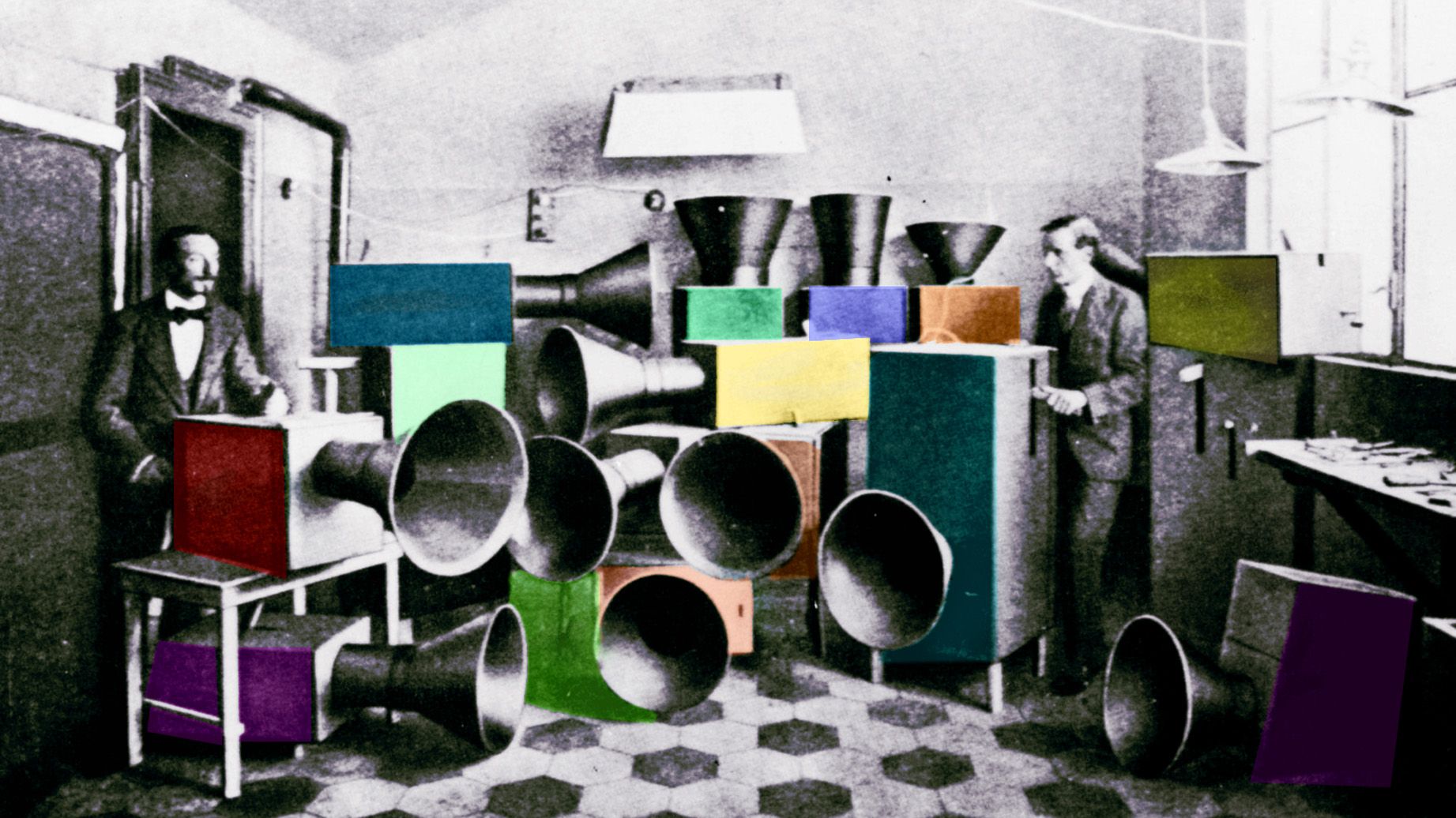
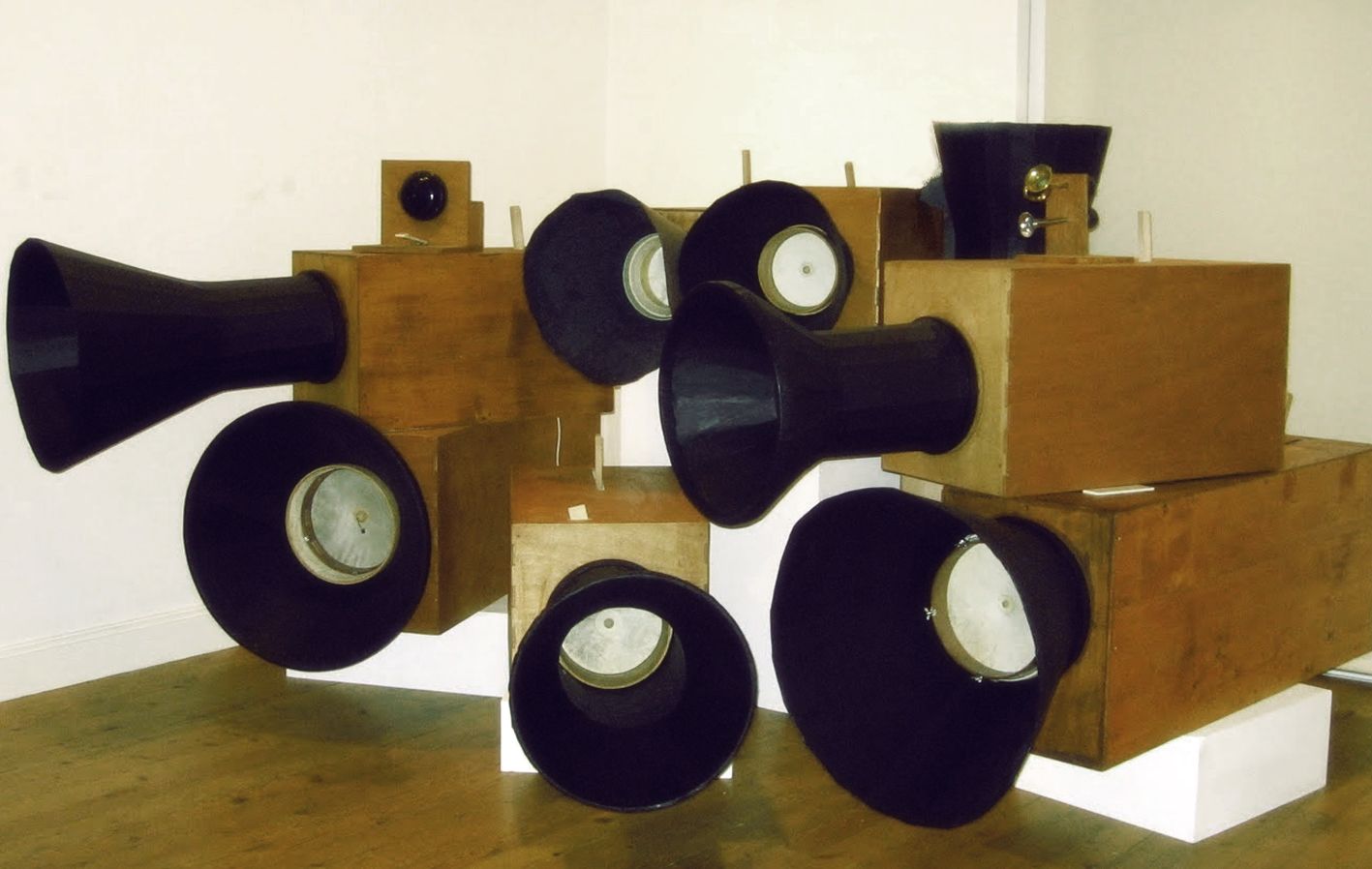
The first part, played around the public, is the chance to discover the spectacular intonarumori, the huge noise boxes designed by the futurist artist Luigi Russolo in 1913. These crank-operated sound machines with their magical names – the screecher, the gurgler, the splutterer and the rustler – are fascinating to look at with their form that is both futurist and naive (‘archeo-utopian’, we would venture to say). They date from the time of the artist’s ‘Art of Noise’ manifesto. In a few passionate paragraphs, in this work Russolo presented in 1913 a maxim that would survive throughout the 20th century only to find its real application almost a century later with the arrival of computers and editing software: Make music with everything. “We are evolving towards noise-sound,” he wrote. Prophetic as his words proved to be, this manifesto was not accompanied by any notable work: it was a pure prose poem. Varèse was interested in it for a while, before displaying total sarcasm: “Why, Italian futurists, do you slavishly reproduce the trepidation of your everyday life in all its superficiality and awkwardness?” A century later, composers are again looking at these futurist machines, with identical reconstructions built by the Venetian instrument-maker Pietro Verardo...
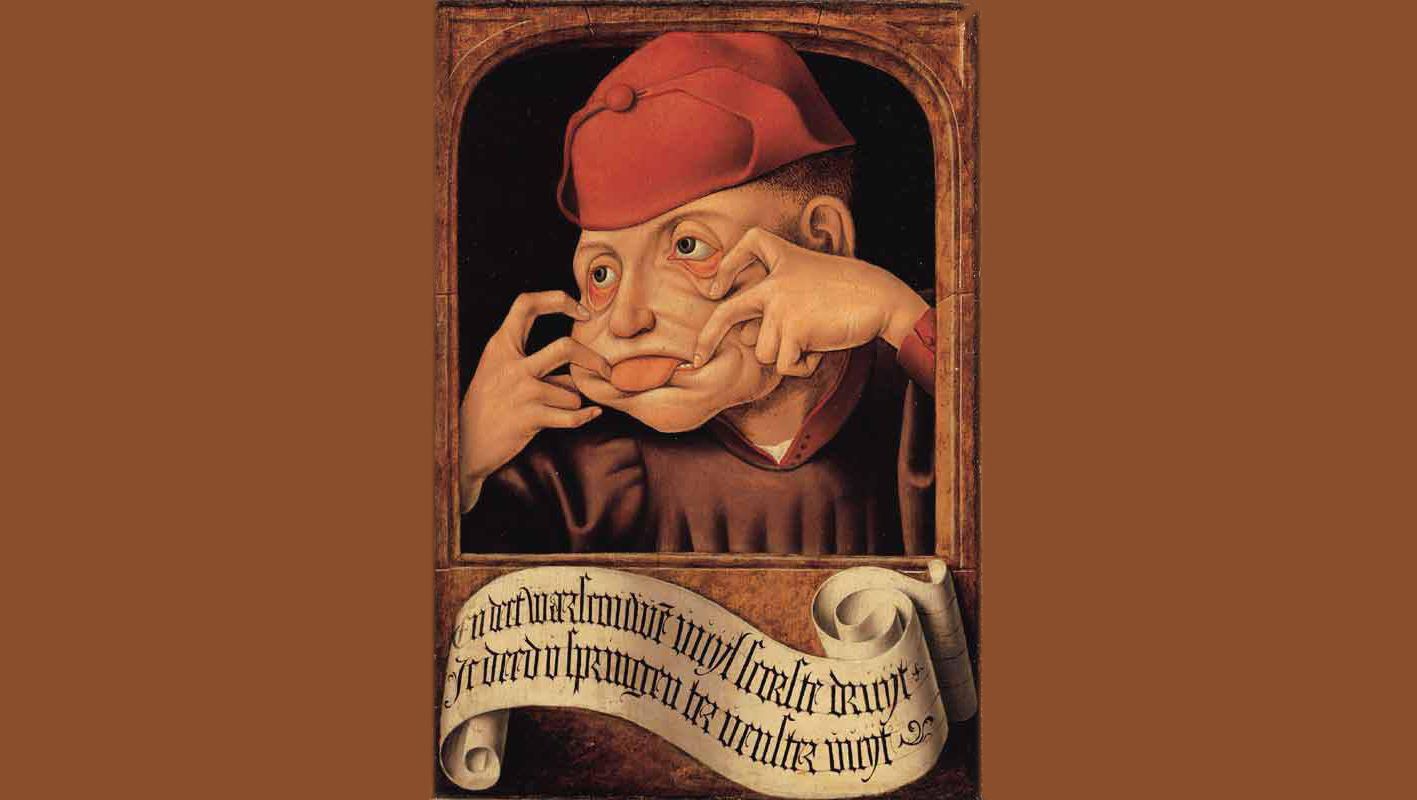
Mauro Lanza (born in 1975) places the intonarumori in the space and adds bird calls, harmonicas and whistles. In this way he constructs a score very much in his own style: simple, very gestural and rich in fantasy. There is always a touch of the medieval carnival with Lanza: the image of a clowning humanity, violent and boisterous that, one day every year, is permitted to flout all the rules of seemly conduct.
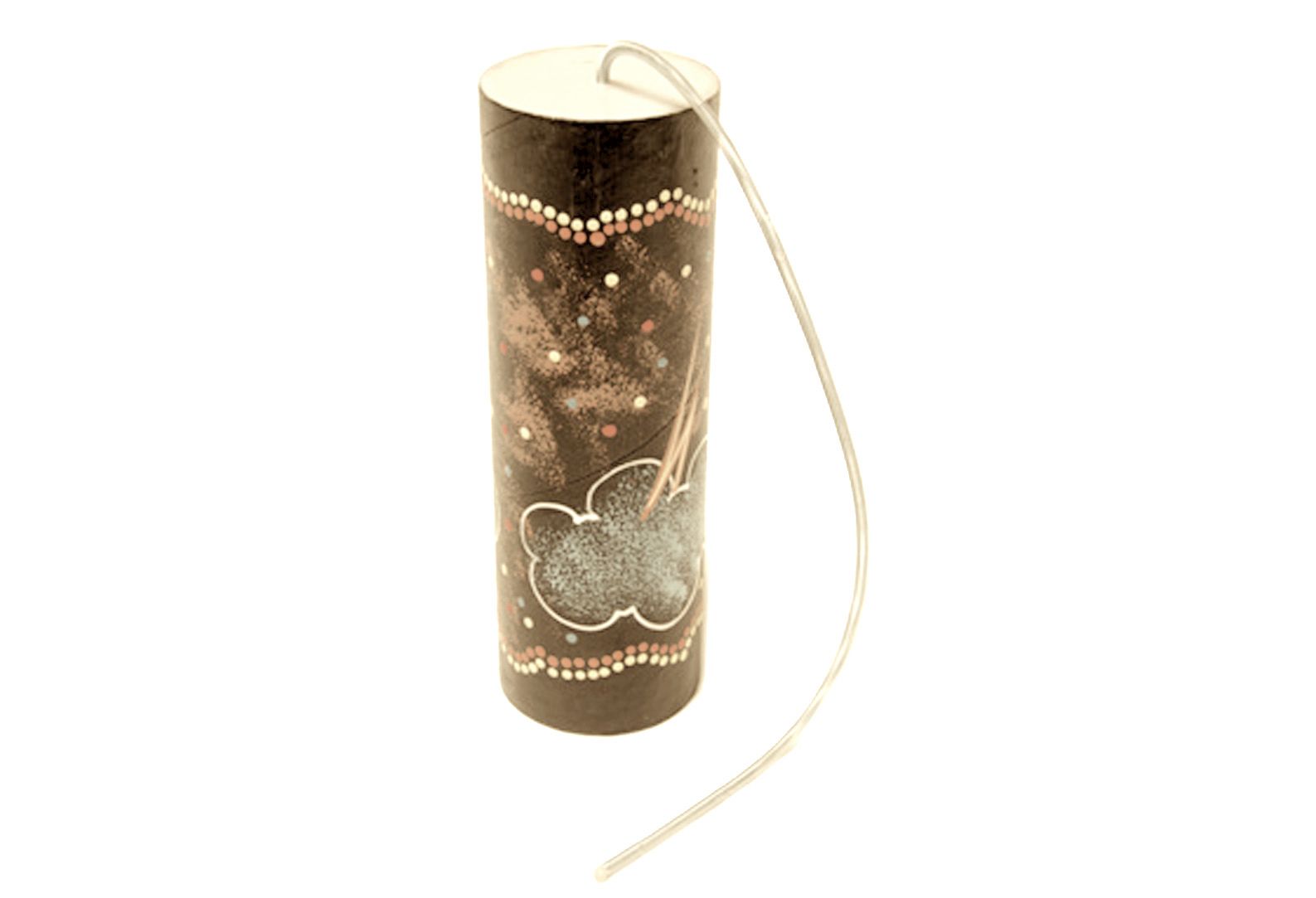
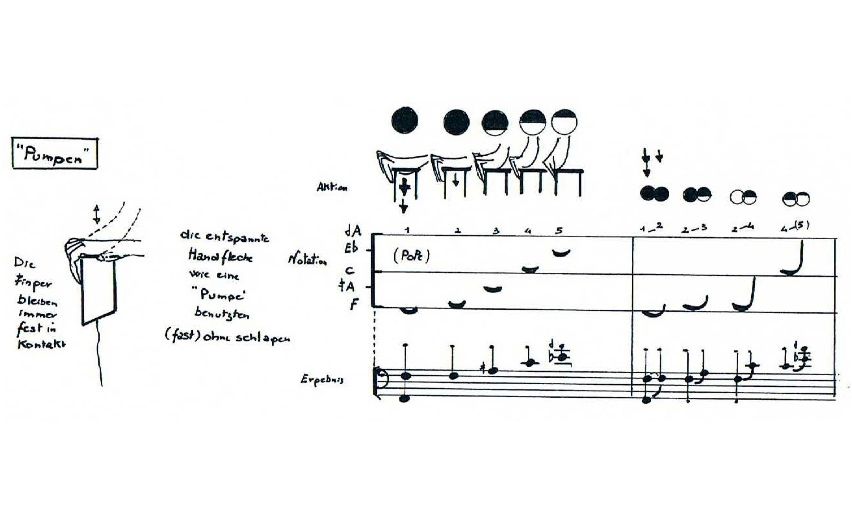
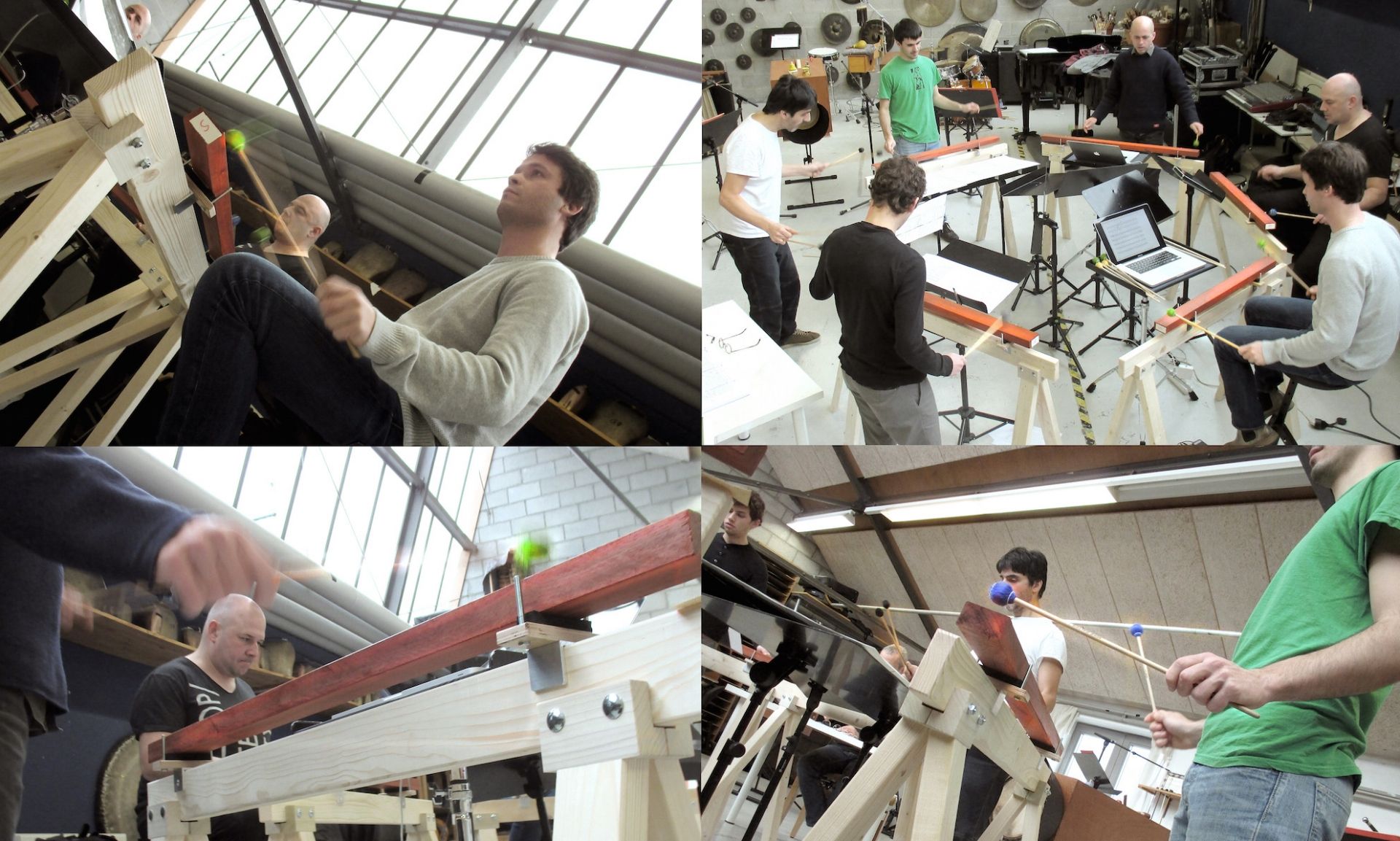
After a solo piece by Pierluigi Billone performed by Tom De Cock on the spring drum accompanied by muffled tones, this time it is the public that surrounds the ensemble assembled in a circle for a 60-minute performance: Timber by the New York composer Michaël Gordon. The work consists of five movements for six players of the simantra, the percussion instrument of Byzantine rites, which consists of a long plank of wood that is hit with two hammers. At the limit of their muscular resources, the musicians produce moving waves and textures of sound that explore the spells of rhythms, sometimes in time, sometimes out of time. They create a kind of grainy, crackling sound landscape that is ultimately very peaceful and a match for electronic music – and this with their bare hands!
GALLERY