
The Book of women [with Irini]
✕The Book of women [with Irini]
✕![The Book of women [with Irini]](/api/strapi/uploads/irini_a2c744d2dd.png)
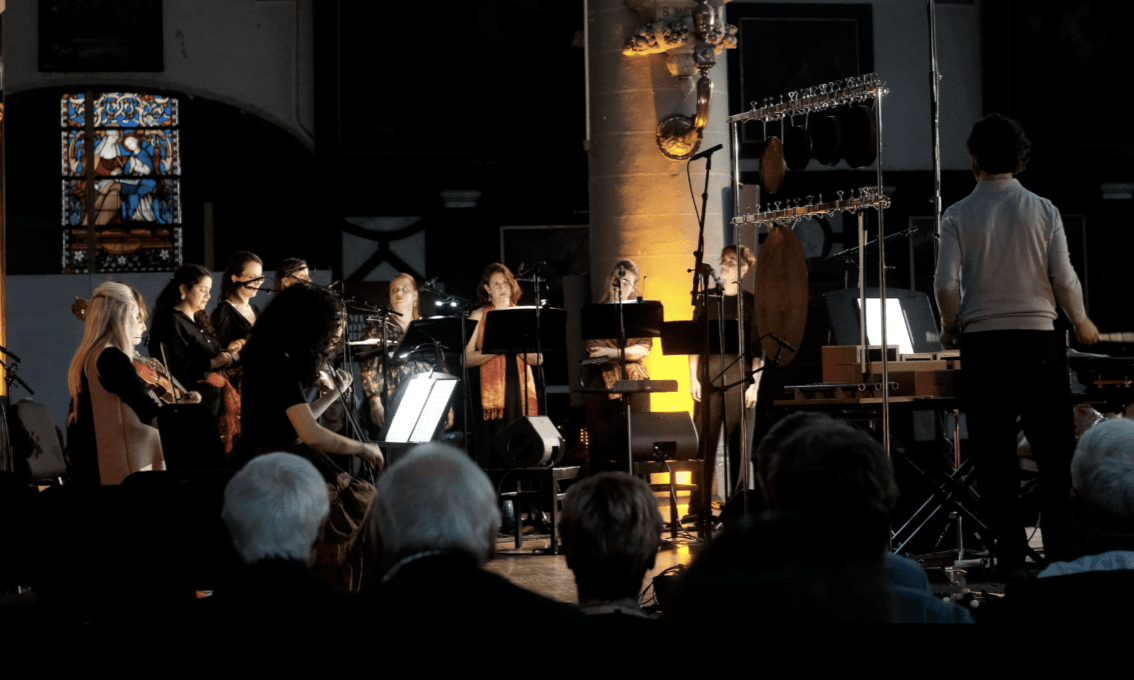
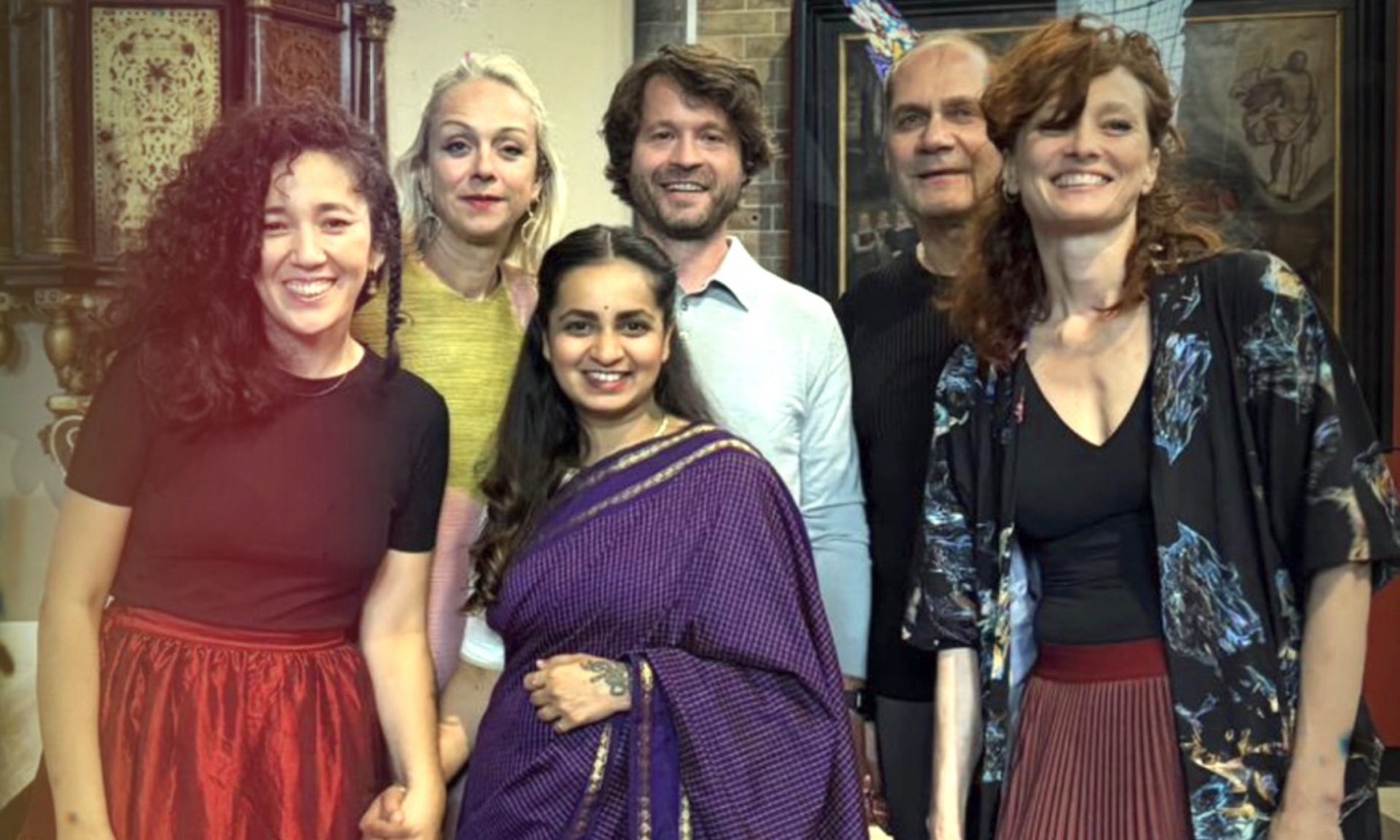
**THE BOOK OF WOMEN brings together on stage the early music vocal ensemble IRINI, the contemporary music ensemble ICTUS and the Indian singer Varijashree Venugopal. This ambitious, historical and speculative project combines medieval music for women's voices with a new work for voice, ensemble and electronic sounds, inspired by the Mahabharata. THE BOOK OF WOMEN explores the theme of female power in the late Middle Ages, particularly during the Gothic period. The aim is to evoke the power of Mary, the courage of women and all the miracles performed by female saints.
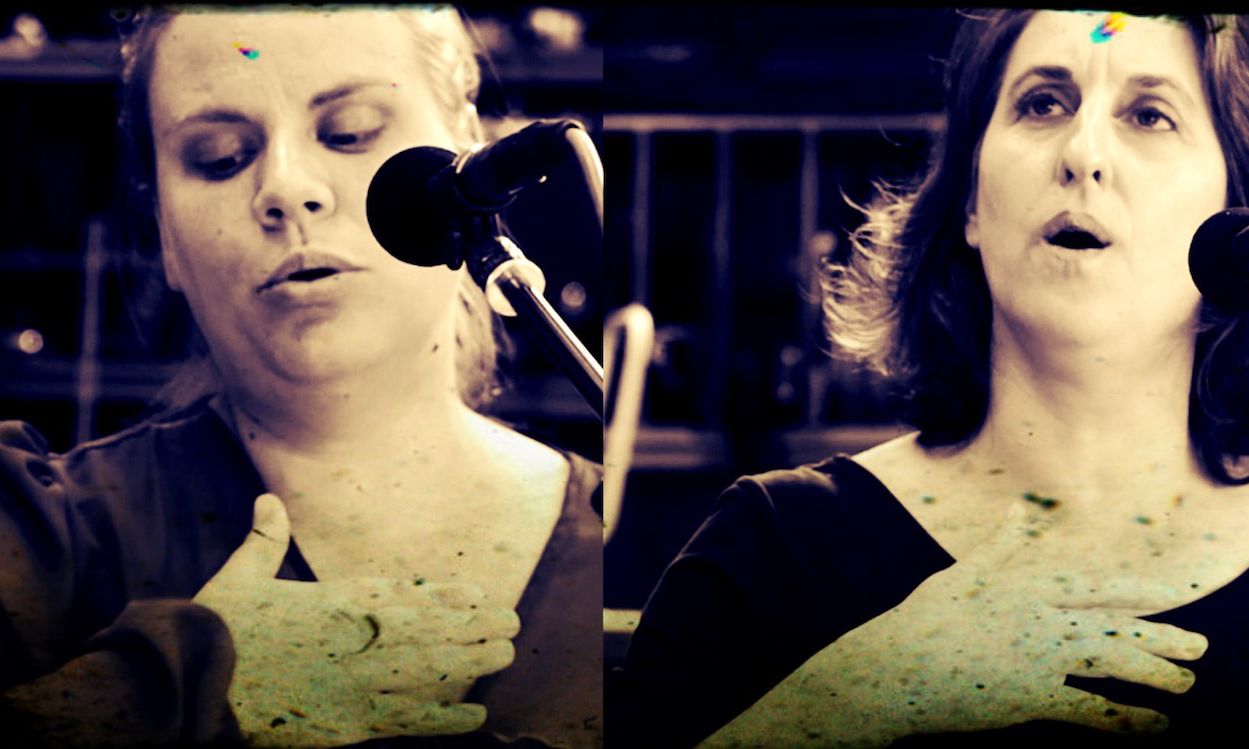
It won't be a mass at the Ecole des Enfants de Marie, this is guaranteed! Instead, it's going to be loud, very loud: seven passionate singers with body percussion in the mix.**
THE BOOK OF WOMEN
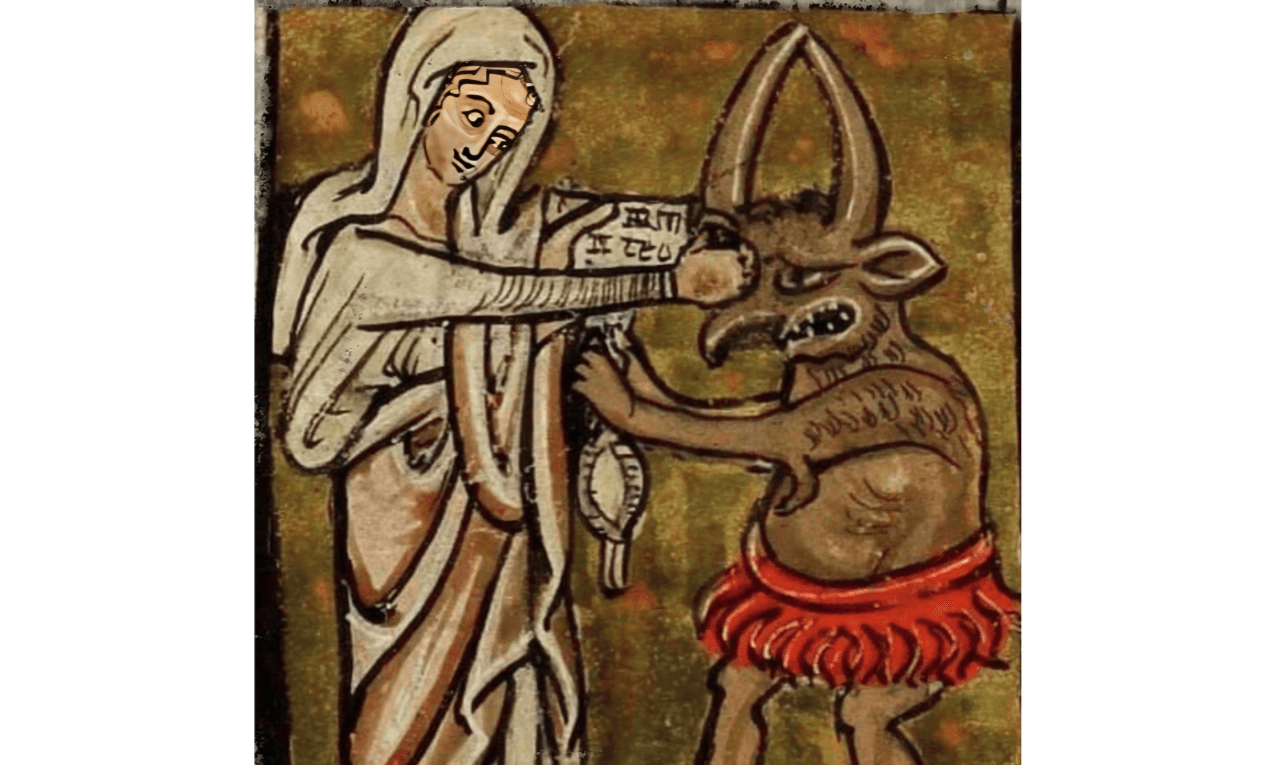
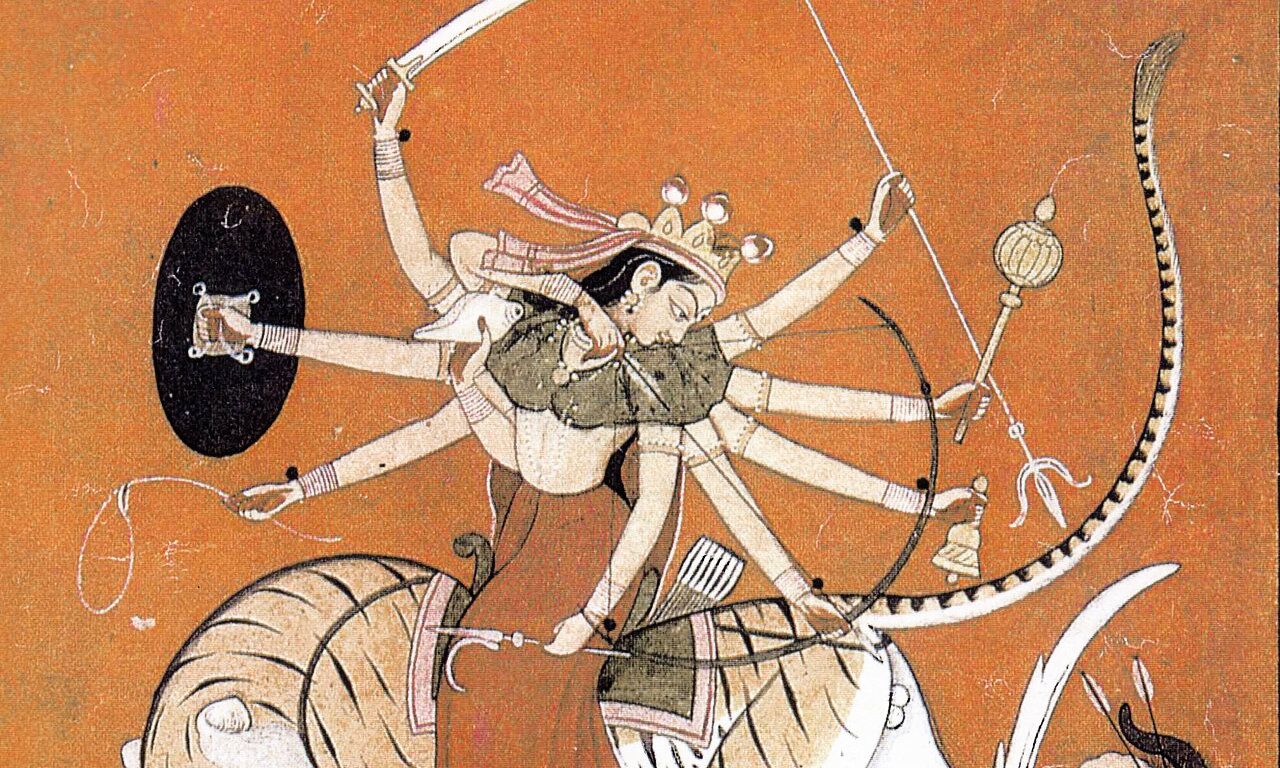
The idea for the Book of Women sprung from two images. The first, drawn with cartoonish precision in a 13th century prayer book (the De Brailes Hours) shows the Virgin Mary punching the devil. The second is of Hindu goddess Durga, eyes blazing and weapons in her arms to rid the earth from evil, summoned in the Sanskrit epic the Mahābhārata. Guided by this imagery of formidable women in medieval Christianity and Indian mythology, Ictus and vocal ensemble Irini combine devotional songs for Mary from the 13th to 15th centuries with a new composition by Riccardo Nova around the Mahābhārata. In this speculative borderland between cultures and times, Mary is praised with body percussion and the refined intonation of early music voices and Indian Carnatic singing blend on the cyclical rhythm of mantras, while contemporary sonic constructions rival in rhythmic and harmonic complexity with ars subtilior motets.
Empress of Hell
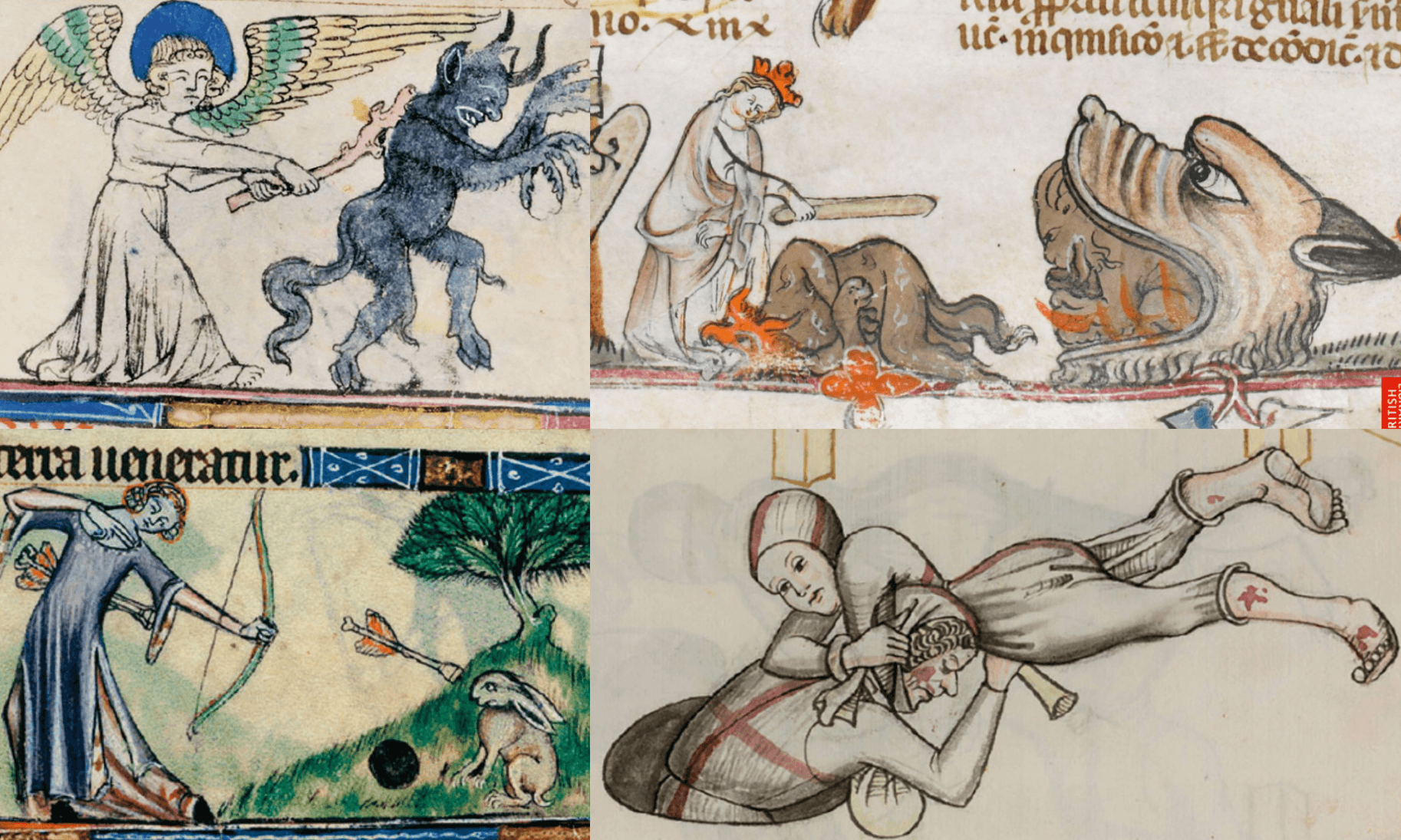
In one of the best-loved tales of the Middle Ages, a cleric named Theophilus signs a pact with the devil offering his soul in return for worldly success. Too remorseful to enjoy his new riches, he prays for help to the Virgin Mary, who duly wrestles the deed away from the devil and returns it to her devotee. In the 13th century, Theophilus’s story became ubiquitous appearing in stained glass, sculptures and prayer books (like the De Brailes Hours). With the cult of Mary on the rise, feast days and ceremonies devoted to the Virgin multiplied. She was adored in courtly love poetry, as fertility symbol recalling pagan rites, as Queen of Heaven, but also—largely forgotten now— as the Empress of Hell, whose pity could rescue even the murkiest of sinners from eternal damnation. While in theology Mary only brings about her salvations through intercession with Christ, in practice, myriad miracle stories circulating Europe between the 13th and the 15th centuries starred her as an autonomous all-powerful sorceress dominating angels and devils alike. Upending the conventional notion of a reserved Madonna, here we see a woman boldly asserting her power in medieval Christian culture known for silencing female voices from society.
It is this neglected imaginary of feminine power that Irini ensemble’s director Lila Hajosi seeks to recover for this first project with Ictus. One place she’ll look, is the Cantigas de Santa María, composed at the court of King Alfonso X of Castile in the second half of the 13th century. This is one of the largest collections of accounts of Mary’s miracles, almost all set to music as ballads. Fitted to well-known secular melodies, the texts tell of Mary’s interventions for sinners like Theophilus and seduced nuns in a strikingly vivid manner, underscoring the everyday reality of her divine power.
The word became flesh
It was through a growing edifice of liturgy, feast days, masses and prayers that Marian devotion became a constant of daily life around 1200 in the Roman Christian world. It must have been for one of such Marian ceremonies that Pérotin, famous re-newer of the music at the Notre Dame Cathedral in Paris, wrote his monophonic conductus Beata Viscera. The song’s rhymed Latin poetry by Philip the Chancellor celebrates the mysterious conception of Christ in Mary, who impregnated by God’s word gave birth to his son while remaining virgin. The first verse’s explicit invocation of Mary’s flesh— beata viscera translates to “blessed flesh”—is intriguing when read against the negation of the sensuous, female body in the medieval church. Inspired by the ‘fleshiness’ of Pérotin’s conductus, Hajosi and her Irini singers will turn that ascetic medieval ideal inside out. They perform the song with body percussion, letting the creative strength of their bodies speak, perhaps summoning a band of frenzied Bacchae rather than the more familiar image of the virgin who is “nothing but ears, with just a bit of mouth, eyes and as much hand and leg as is needed to reach out and follow after Him”, to borrow words from feminist intellectual Luce Irigaray. After all, as Irigaray suggests, it is also possible to interpret God’s incarnation by Mary as the ultimate expression of artistic creation:
« What does it mean that the word is made flesh? [H]ow do we account for all the works of art which that prophecy gave rise to? What energy let them root and flourish, through the centuries, as places where the divine lives and breathes? Are the desire and the sharing of the flesh not at work here? Don't they sing here? Don't they paint? Sculpt? Speak? »
A glimpse at the musical life of medieval pilgrims suggests that corporeality did have a place in Marian religious devotion. The Llibre Vermell de Montserrat (1399) offers some insight into the soundscape at Mary’s shrine in the convent of Montserrat, an important pilgrim’s sanctuary from the 11th century in the mountains near Barcelona. There, the Virgin is still venerated as a source of fertility and delight. The Llibre Vermell contains ten songs for use at the sanctuary. Some, like “Cuncti simus concanentes”, have a tantalizing dance-like quality. A small note accompanying the manuscript’s pieces suggests that the atmosphere among the streetwise visitors gathered at the shrine must have been quite exuberant: “Pilgrims who want to sing and dance should only sing chaste and devout songs. Therefore, some are written here.” One can only imagine what went on before the arrival of these devout songs.
Goddesses, Mantras and Numbers
The image of an all-powerful Mary rescuing sinners without Christ by her side wasn’t obvious in the Christian tradition. Even though her sway over hell relied on her awe-inspiring sinless purity, Mary’s autonomy as Empress of Hell was troubling to the Council of the Catholic Church and eventually led to a ban on this imagery. In Indian mythology, on the other hand, powerful warrior goddesses are omnipresent. And much less serene. While Mary remains smiling demurely even when punching the devil, Durga and Kali are adorned with garlands of bloody skulls, armed with sword, shield and “eyes the color of smoke”. Destructive or protecting, the feminine divine plays an important role in the Mahābhārata. This vast Sanskrit epic of almost 100,000 verses, which claims to contain everything that exists, is regarded as one of the most important sources of South Asian religious and social thought. It was composed sometime between 400 BCE and 400 CE, drawing on older oral traditions, and became a constant presence in South Asian artistic expression as the subject of dance, song, novels and tv shows. In modern India, its female characters have become popular symbols for women empowerment and focal points for feminist re-writings.
Attracted by ‘the sound of language’ in the recitation of the Mahābhārata’s Sanskrit verses, Italian composer Riccardo Nova has been bringing fragments of the epic’s labyrinthine non-linear narrative into his own cyclic, microtonal sonic world since 2014. He does so in collaboration with Varijashree Venugopal, an expert singer of Carnatic, or South Indian classical music, in which Nova has been immersing himself since the 1990s. More recently his hybrid musical language has also come to reference medieval polyphony, making it resonate beautifully with the Marian songs in this project.
At the center of the Mahābhārata’s kaleidoscope of winding stories runs the tale of a violent war between two groups of cousins, the five divine Pāṇḍava brothers and the hundred demonic Kauravas. The divine brothers eventually win, but the war leaves both armies and the whole world in near destruction. Nova’s new work for Ictus, Venugopal and Irini ensemble focuses on the 11th of the epic’s 18 books, the “Book of the Women”, where sisters, wives and mothers grieve the slain warriors and criticize the war. But just as the Pāṇḍavas do in search of victory in the war, Nova begins his work by invoking warrior goddess Durga with a mantra. He chose a traditional Vedic mantra, the Ekā mantra, essentially a series of numbers representing different powers asked to the God. Recited on a few tones, the mantra’s strict metric structure will give way to fierce body percussion—making the goddess’s sonic invocation recall Pérotin’s fleshy Beata Viscera¬¬. Nova also composed a new mantra for Kunti, the mother of the Pāṇḍava brothers who grieves along with the women in the 11th book. Despite an impotent husband, she got her sons with different deities by using a powerful mantra. As with Mary’s virgin birth, here too the word became flesh. Kunti’s powerful mantra, merely described in the Mahābhārata, receives a sounding body by Nova. He will even turn the common monophonic chanting of mantric recitation into a microtonal polyphony for seven voices creating myriad complex harmonic colors: all derived from that magic sequence of numbers in the Ekā mantra.
Nova’s approach is not unlike the intricate mathematical conception of composition characteristic of the ars subtilior style in the Cyprus Manuscript (Codex Turin J.II.9), another treasure trove of Marian devotional songs that will be explored in this project. In this rarely performed early 15th century collection, destined for the French court that had been controlling Cyprus since the time of the crusades, you find some of the most daringly complex musical expressions of Mary’s cult. Celebrating almost the whole litany of ideals ascribed to her—from her beauty adored in courtly love poetry to her motherly love, her “ineffable virtue” and “sea of grace”—these isorhythmic motets superimpose multiple rhythms and texts into a dense constellation of metrical order and symbolism, designed for divine ears to decode.
Text by Anna Vermeulen
GALLERY