Béla [Etienne Guilloteau & Claire Croizé]
✕Béla [Etienne Guilloteau & Claire Croizé]
✕![Béla [Etienne Guilloteau & Claire Croizé]](/api/strapi/uploads/0_4cdd6488c8.jpg)
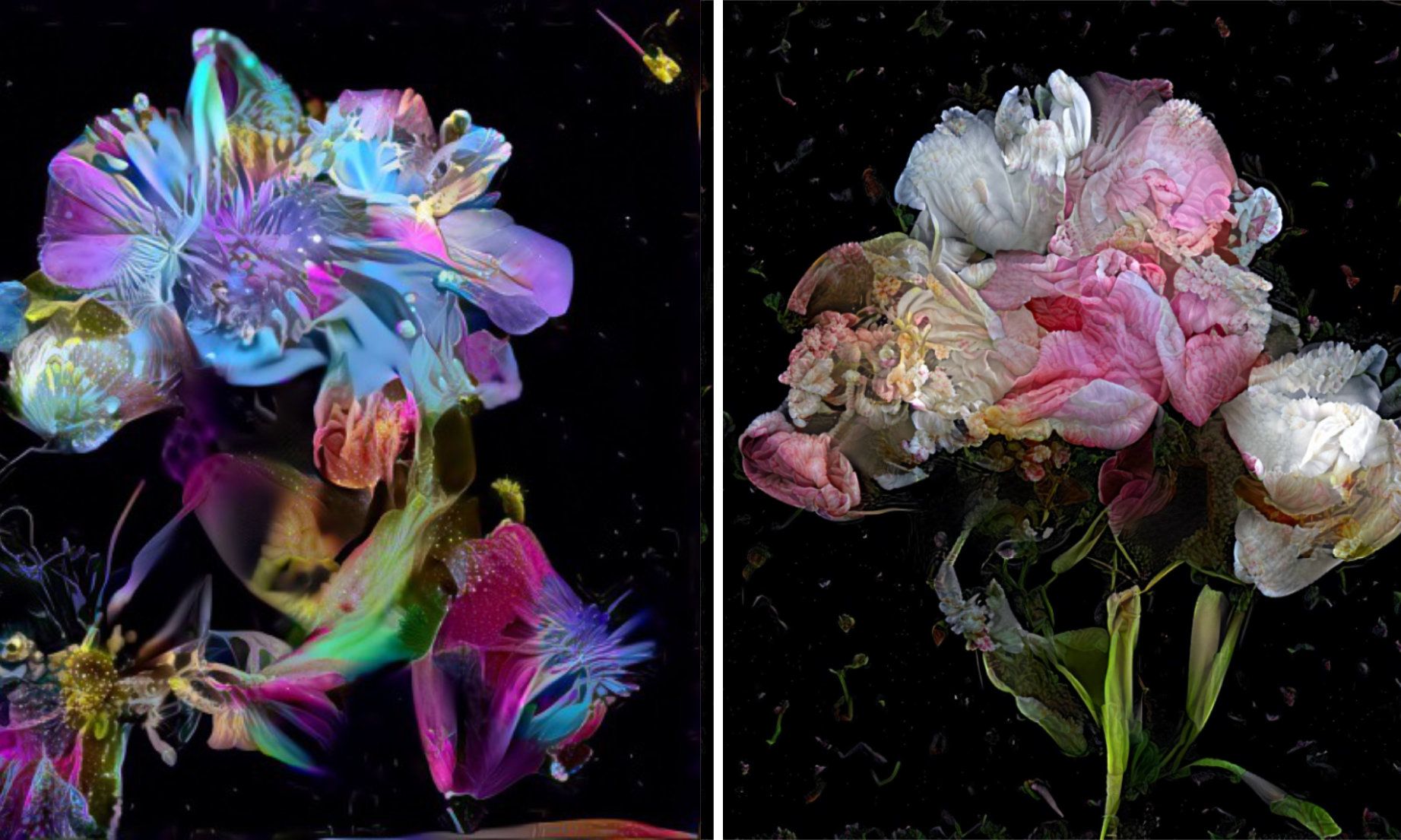
Visual: {reward_system_0976} and {sincere_communication_3343) © Sofia Crespo
In a few words
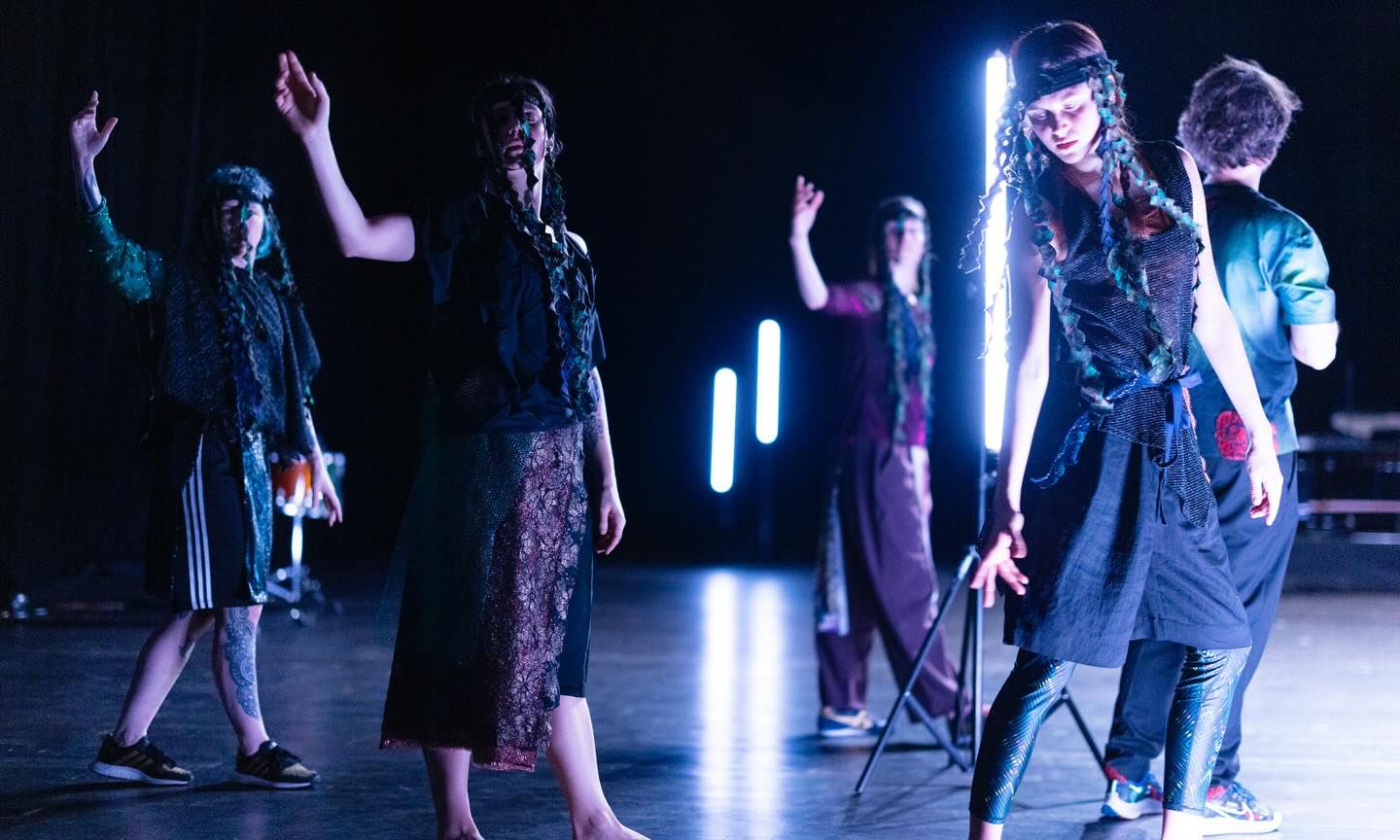
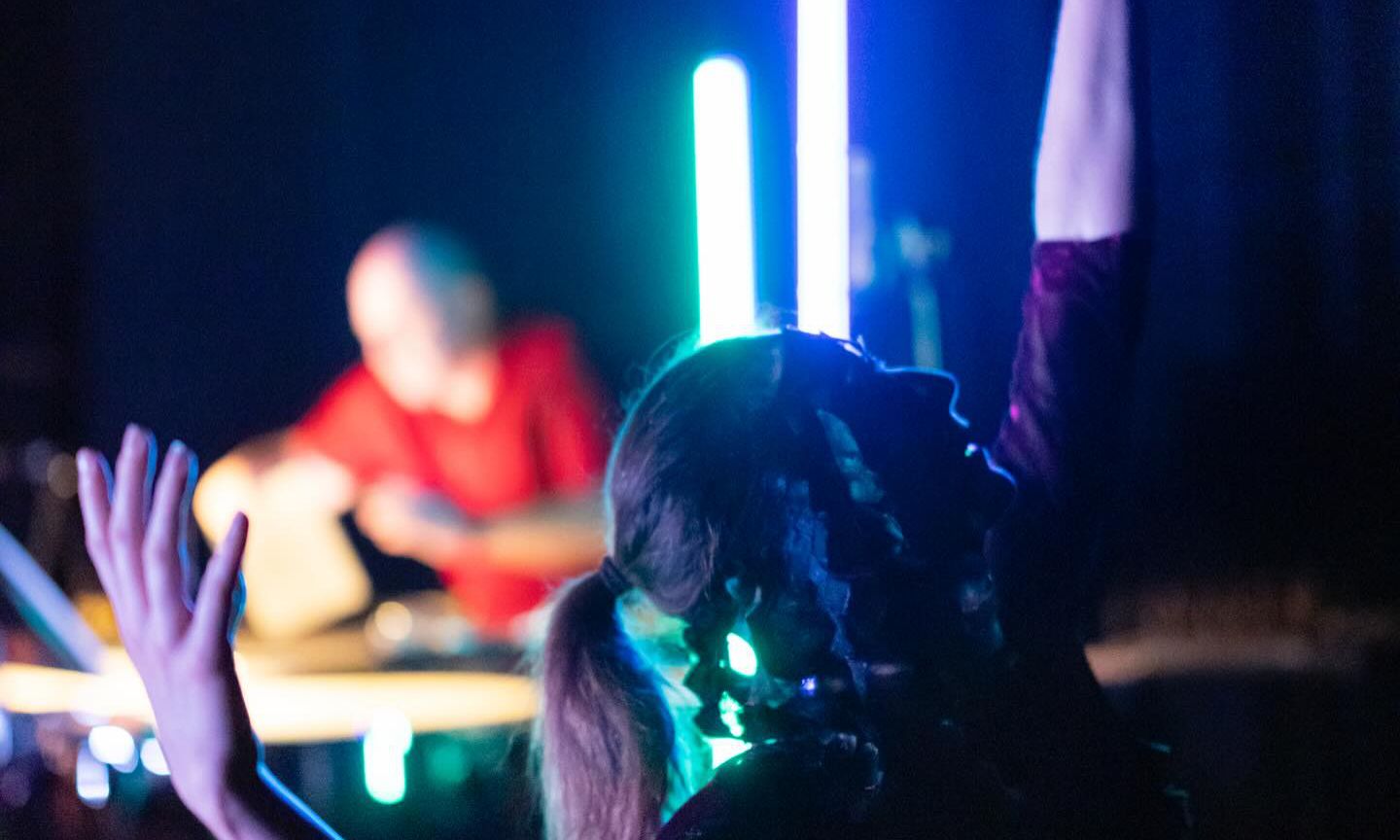
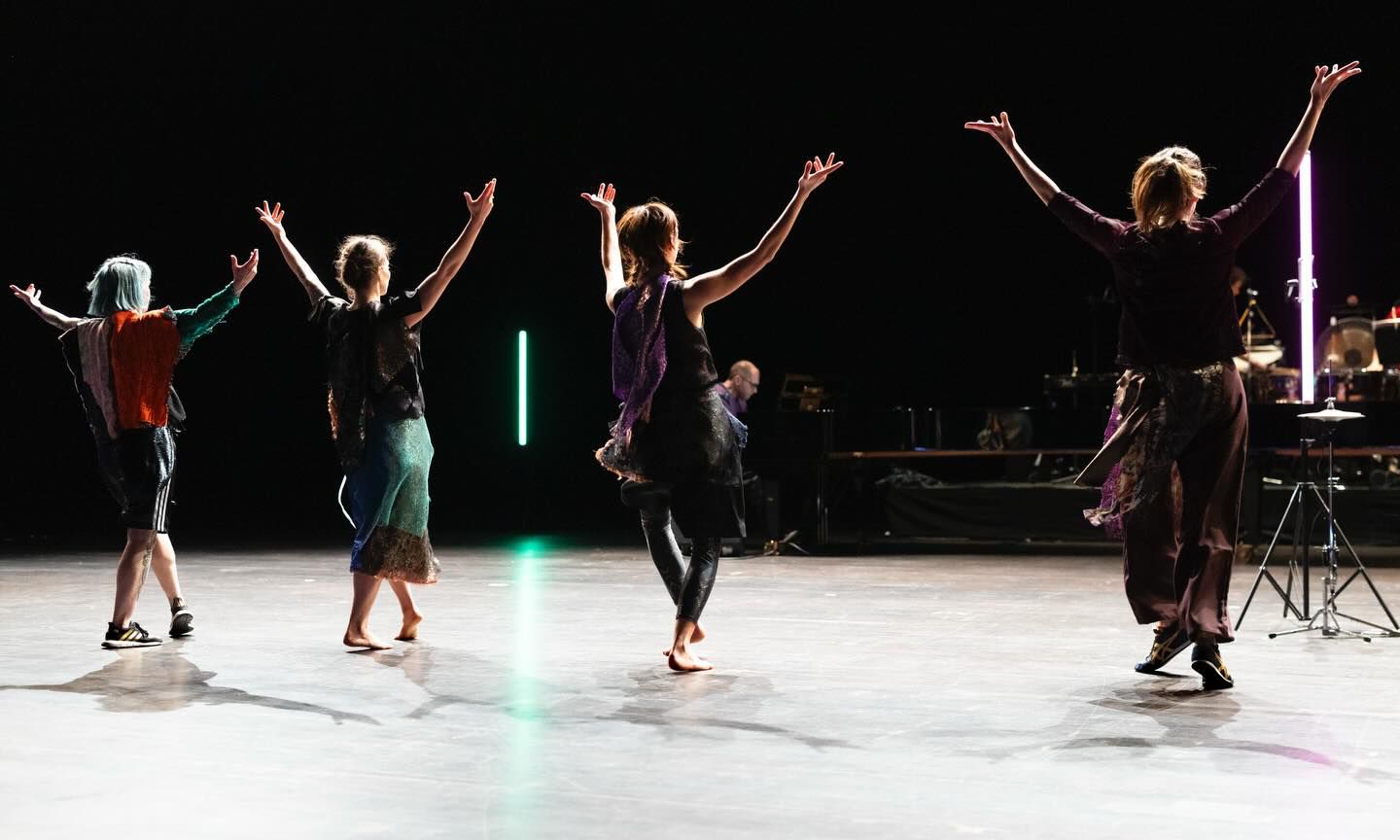
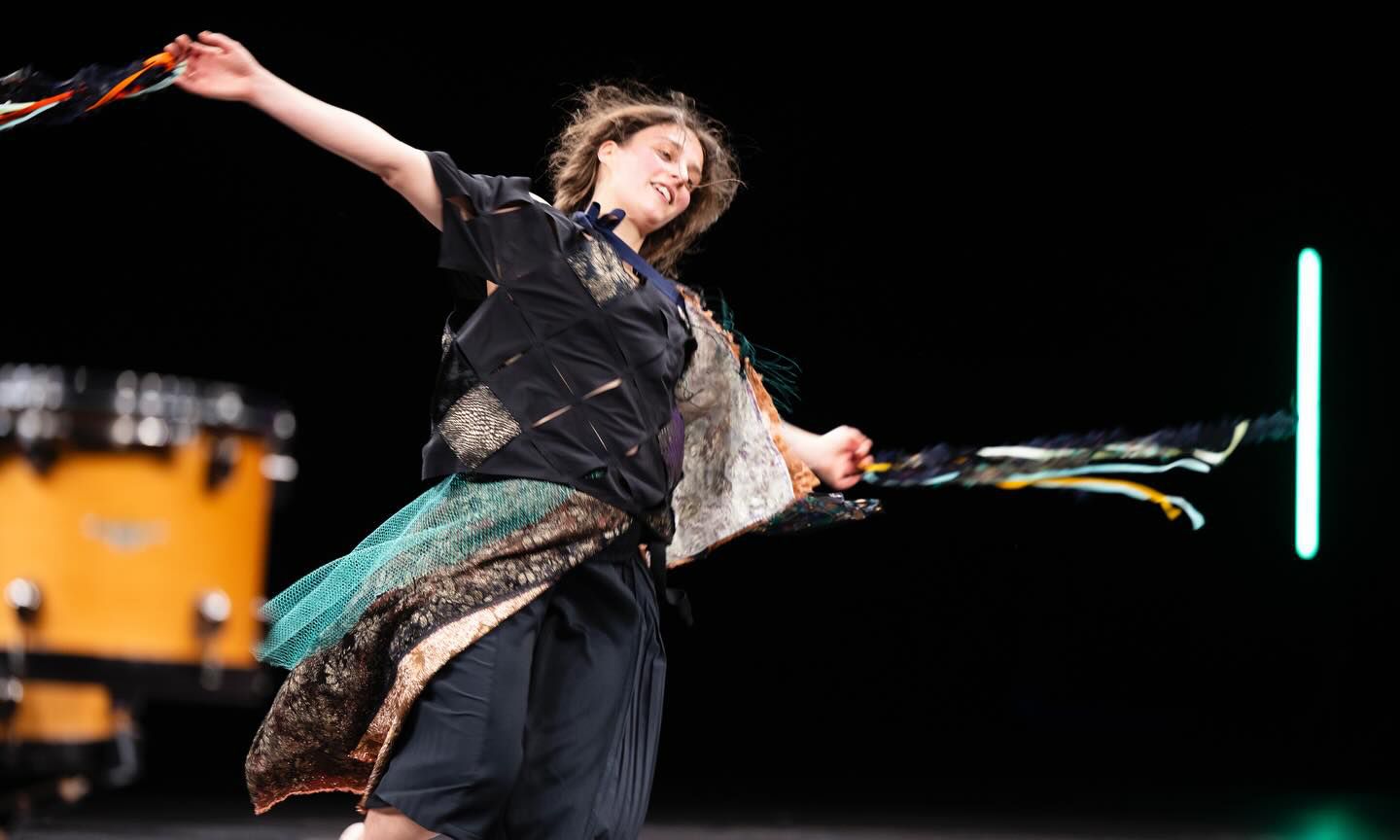
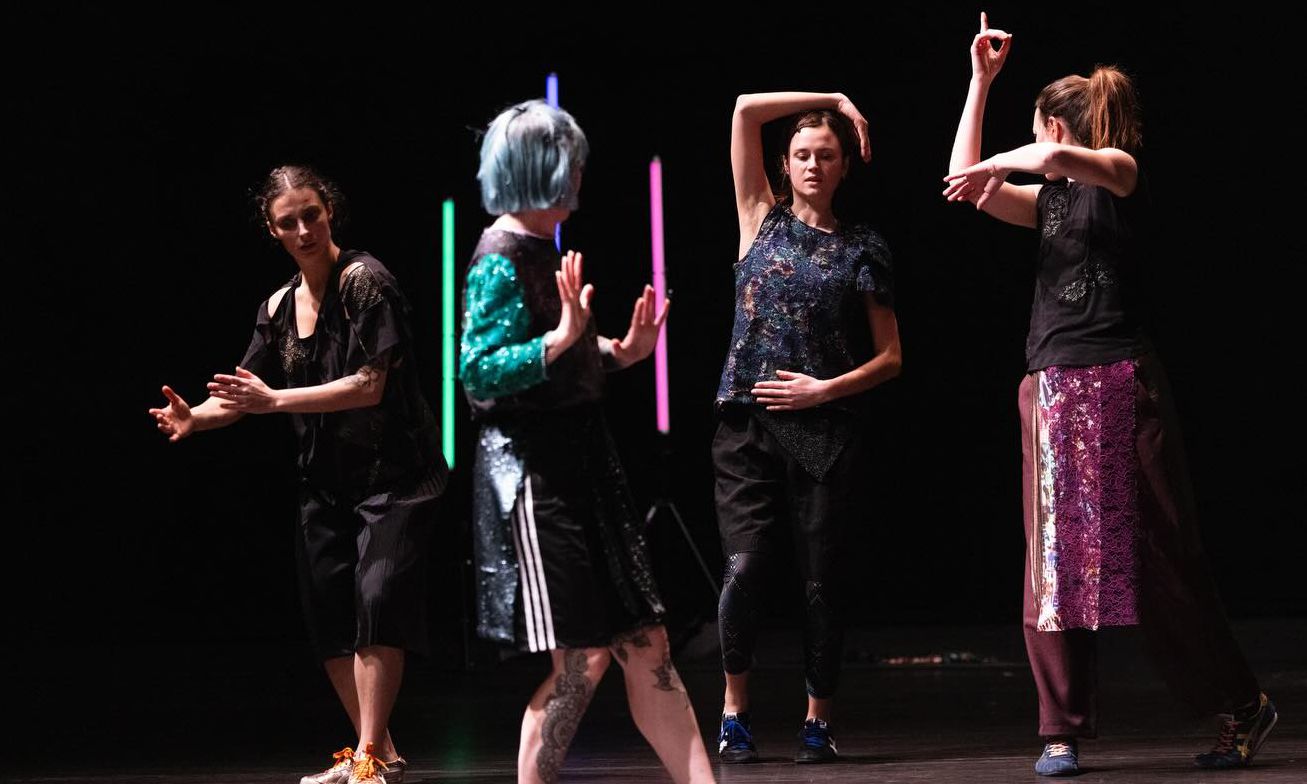
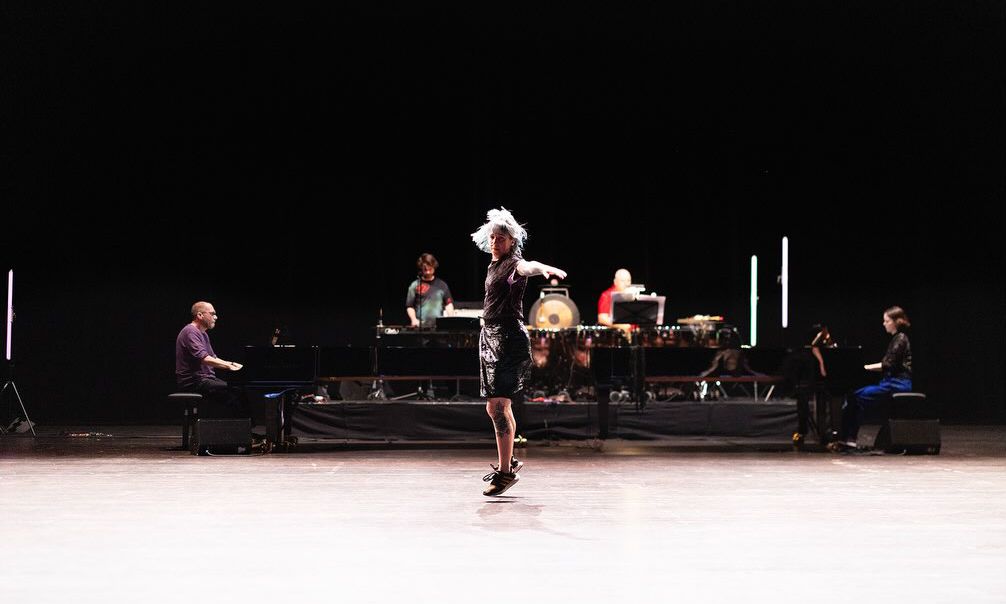
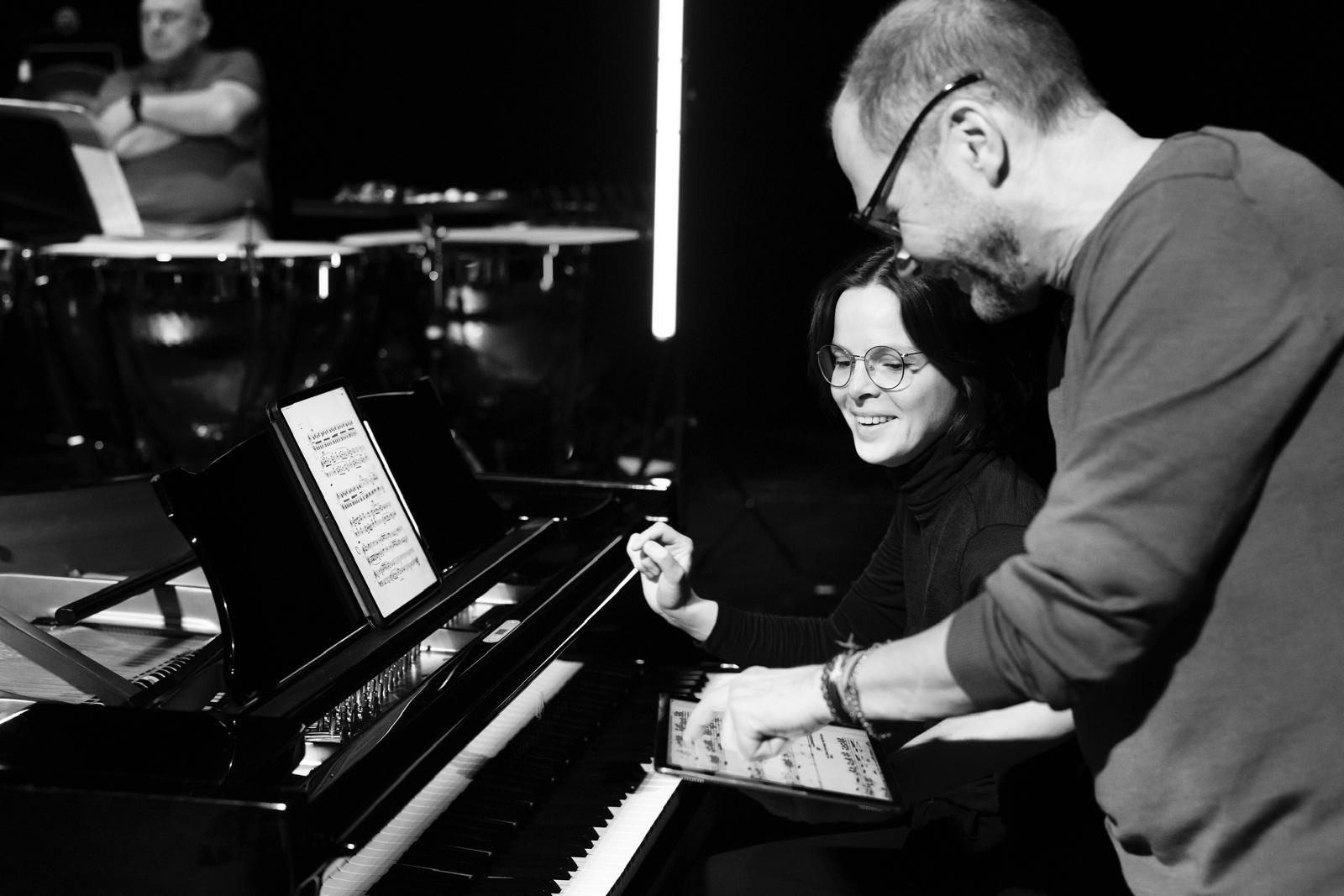
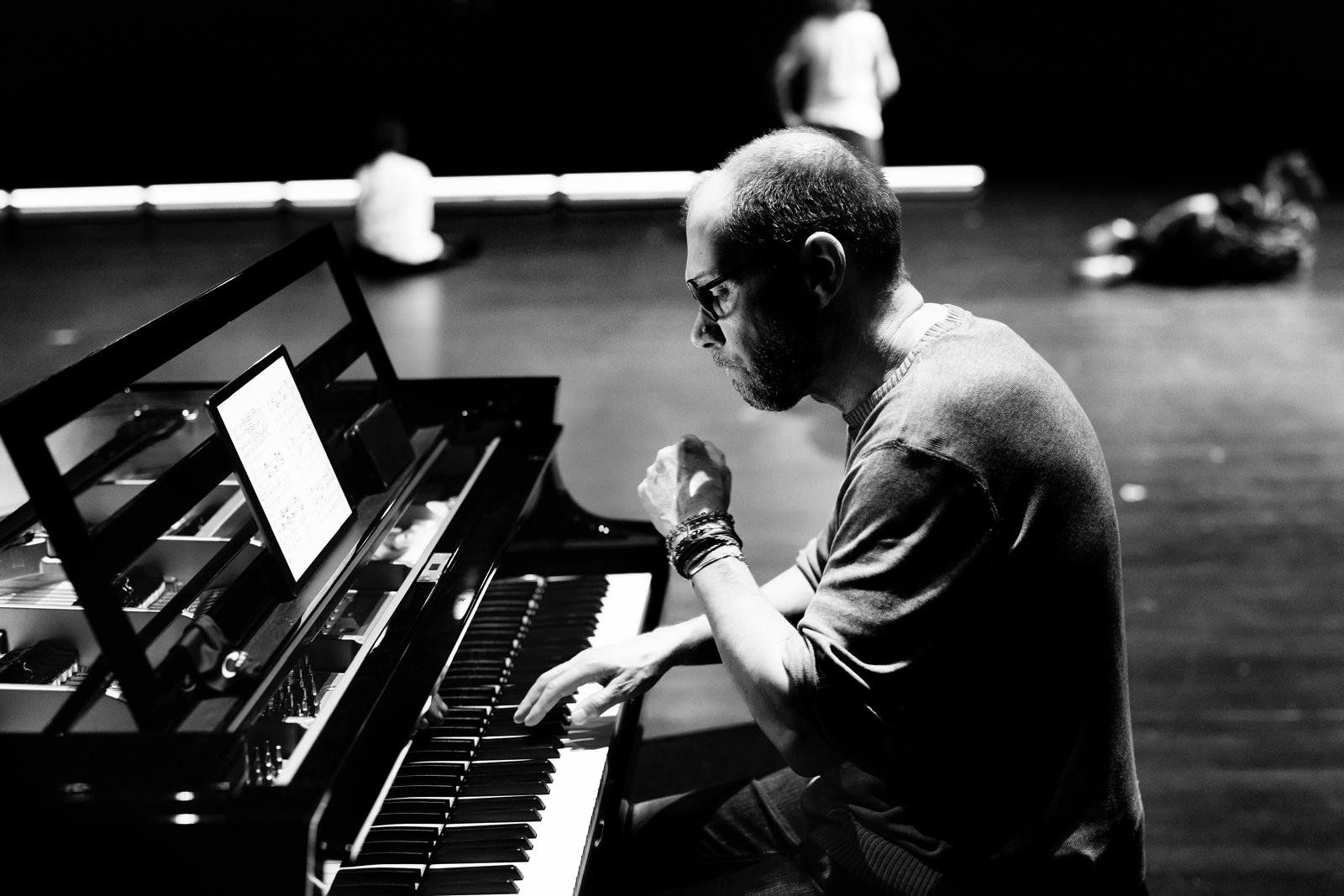
Béla is a co-creation by Claire Croizé and Etienne Guilloteau for four dancers and four musicians, in collaboration with Ictus Ensemble spotlighting the power of movement and the power of music over the body. The driving force is Béla Bartók's explosive Sonata for Two Pianos and Percussion (1938). Speculating on Bartók's very particular approach to the form of "Nocturne", we work on the contemporary redefinition of the idea of "Nature": no longer an idealized Other that exists as matter of contemplation - and exploitation - of a little gentleman called Human, but a vast space of negotiation between all Earthlings, teeming with gestures, noises and complex interactions.
Power and chaos
(the first movement)
We were looking for a highly percussive composition, made up of complex accents and rhythms that is musically powerful: music full of life, that triggers the dance. For the past ten years, ECCE’s choreography has been generous both in its physicality and in the commitment it demands of the dancers, always preserving the precision and articulation of the movements. Musicality in movement is an essential part of their choreographic language. This search led to Béla Bartók's Sonata for Two Pianos and Percussion. In this powerful, explosive piece, the material is constantly shuffled and reconfigured. The Sonata, which lasts around 25 minutes, is the centrepiece of a wider selection of musical works.
Right from the start, you're caught up in the musical progress, as it moves through ruptures and variations. The first movement oscillates between abstraction and a total unleashing of power; it is very danceable, despite its sometimes dizzying speed and abrupt interruptions. The whole movement buzzes with echoes, imitations from one instrument to another, canons and fugatos - for in Bartók, everything is constantly scattered and multiplied. Very rhapsodic, this first movement puts forward an abundance of organic life. It evokes the almost chaotic thrust of life through the density of its rhythmic, melodic and sonic themes. The dance should join this density and vitality. It should unfold in space along the exchanges between pianos and percussion, so that the stage literally embodies this bursting in energy of the first movement and gives expression to the very idea of multitude. This multitude will be represented by the evocation of various forms of dance - quite in the same way as Bartók evoked, in his compositions, the inexhaustible treasure of the music of the peoples.
A few words about Bartók
The figure of Béla Bartók (1881-1945) was highly controversial during his lifetime, but the friendship he enjoyed with many of his contemporaries is still very much alive. The popularity of his music continues to grow among the new generations of listeners. For a hundred years, his music has always seemed to look us straight in the eye, full of loyalty and empathy. It is as distant from the "fin de siècle" spirit of Viennese music, as from the sarcastic modernism of Stravinsky. Bartók was a firm believer in the possibility of building one fraternal world. "The happiest days of my life were those I spent in the villages, among the peasants", he wrote. He spoke ten languages and, with his team of collaborators, collected over 7,000 folk songs from Eastern Europe and Turkey, giving birth to ethnomusicology. With Bartók, wrote philosopher Vladimir Jankélévitch, "morning consciousness has conjured the enchantments of twilight". Bartók came to be seen as popular not only because he used folk music, but because the dry, slightly sharp edges of his music evokes a certain peasant-like attitude, a beauty without manners, a frankness that the bourgeois classes would have been incapable of.
A new "night" and a new "nature"
(the second movement)
The second movement is highly original, and speaks with great freshness to contemporary ears. It belongs to that typically Bartokian category of "night music". Bartók's "night" is suggested in a very materialistic way by a dreamy, restless, suspended musical quality, listening with a sense of suspense: the world of the open air, the world of insects, birds and plants, begins to rustle in all directions in the darkness. Bartók revives the old musical form of the Nocturne, and thus overcomes the now obsolete category of romantic "Nature", motionless under the moon. Think of Bruno Latour: we don't live on earth, we live in the heart of the earth. There is no such thing as a separate world called Nature: there is only a common nature, which is up to us to compose.
Virtuosity
(the third movement)
The final movement offers an exhilarating conclusion to the Sonata. What interests us here is the determination of the music, which moves from shadow to light, from the almost chaotic profusion of the first movement to the solar beauty of the finale. The composition demands the utmost precision in its interpretation, which in turn calls for great concentration among the musicians on stage. It's all about virtuosity, a genuine topic shared by dancers and musicians alike.
Discredited by a certain (ill-considered) practice of conceptualization in art, the notion of virtuosity enables us to approach the type of intelligence shared by humans and animals; this intelligence is not only ordered by logos and memory, but engages the whole body in the present. It's the "cunning of intelligence", as Marcel Detienne and Jean-Pierre Vernant put it, where:
flair, sagacity, foresight, flexibility of mind, feinting, resourcefulness, a sense of opportunity, various skills, long experience [mingles]; it applies to moving, disconcerting and ambiguous realities, which do not lend themselves to precise measurement, exact calculation or rigorous reasoning.(1)
Claire Croizé, Etienne Guilloteau & Jean-Luc Plouvier
___________
(1) M. Detienne, J.P. Vernant, La Métis des Grecs, quoted by Catherine Malabou, Métamorphoses de l'intelligence.
GALLERY