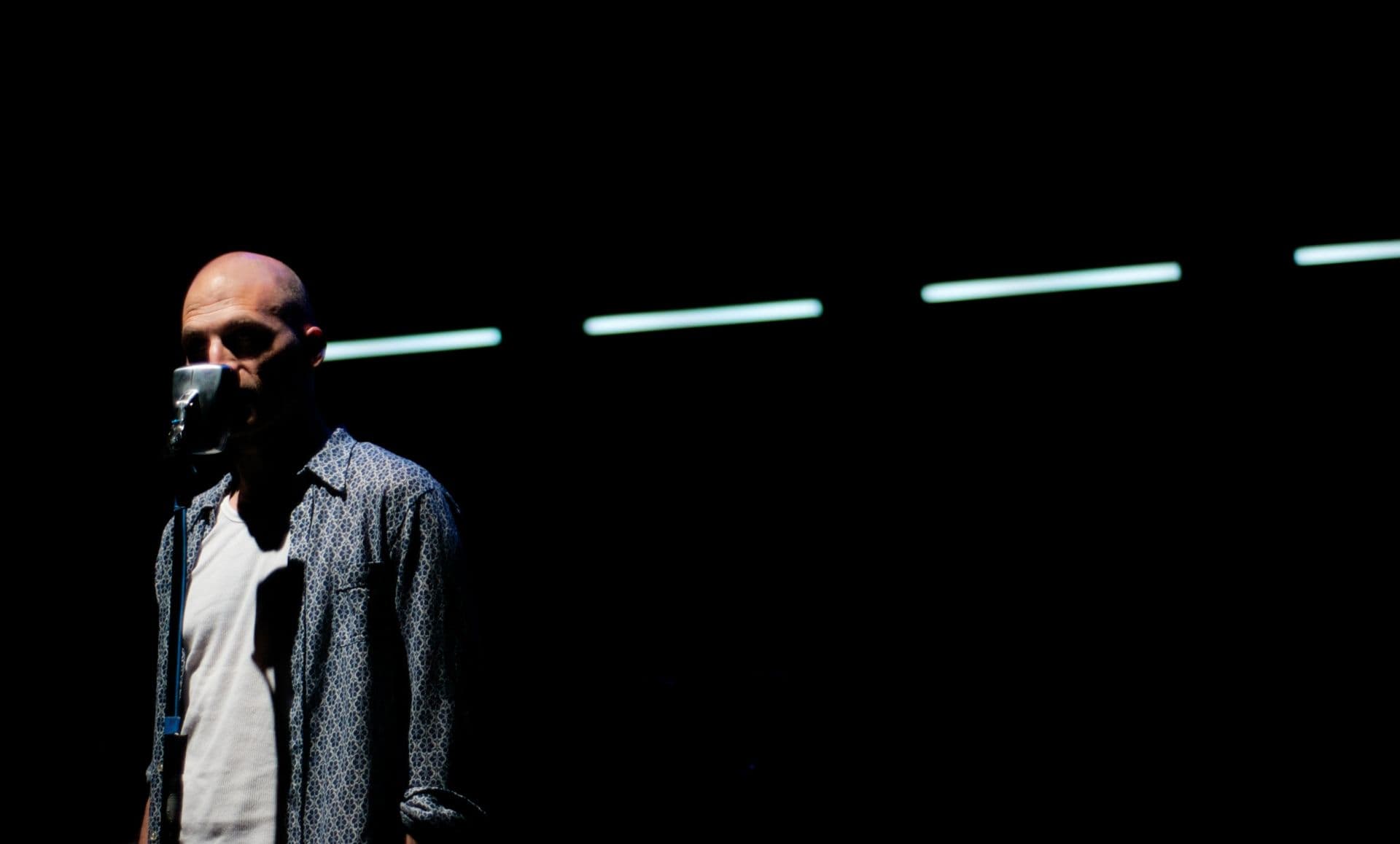
The Wayward (after Harry Partch, 2010)
✕The Wayward (after Harry Partch, 2010)
✕
_You hear America and cannot escape the feeling that Harry Partch has succeeded in
perfectly capturing the music of the USA somewhere between references to
traditional folk songs and the roar of the trombone. And this is underlined by
the standing ovation that everyone received. It's now full speed ahead on the
“Art of our Times” (KAZ) express._
Vorarlberger Nachrichten,
August 2011, Veronika Fehle
Wanderings around America during the Great Depression
‘Listening to Partch is not necessarily pleasant,’
wrote the Italian composer Salvatore Sciarrino, ‘his music is permeated with an
inhuman sorrow, stubborn and unbending, just like the social rejection that
marked his own life.’
Nevertheless, Harry Partch, like his predecessor Charles Ives, put American musical history into a new perspective. He grew up at the start of the twentieth century in small villages between Arizona and New Mexico amongst Presbyterian missionaries, Chinese immigrants and local Indian
tribes and witnessed the decline of the ‘Old West’. The seeds of his wandering existence, his uninhibited thinking and the development of his musical theory and the bizarre range of instruments that emerged from it were sown in that cultural melting pot.
‘Just Intonation’ and ‘Corporeality’ are two concepts
that are inseparably linked in Partch’s music: a refined micro-tonal harmony is
turned into sound in a physical, original and natural way that lies between
speech and song and between playing and moving with the instrument.
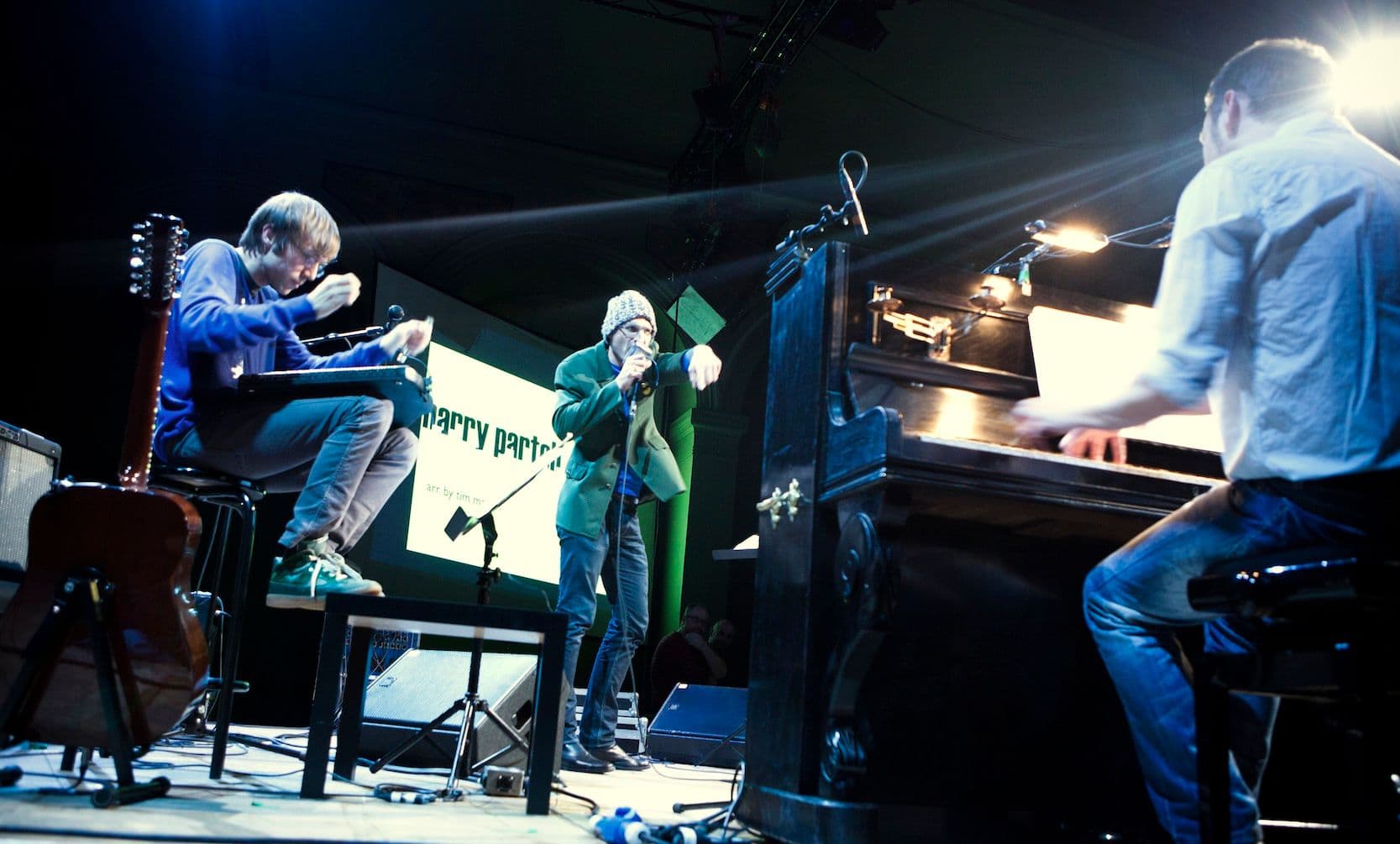
His music cannot be categorised. It is reminiscent of experimental blues, the spoken word or the classical monodrama and is rarely heard in Europe. Specially for Ictus, Tim Mariën has now reworked The Wayward, a series of songs that resulted from Partch’s wanderings around America during the Great Depression. It is an entirely new production for voice and ‘transformed
instruments’ including a 12-string folk guitar, banjo, zither, Chicago reed organ, microtonal piano, trombone and percussion.
In the same spirit, the concert also includes the first performance of a new work by Tim Mariën. Mariën (1975) discovered Harry Partch’s musical theory when studying musicology. It was a revelation that helped him shape his own ideas.
Tim Mariën on Partch:
Generally speaking, the work of Partch gives
accommodation to two ideas. Firstly there is the use of a tuning system based
on pure intervals resulting in a microtonal scale, and the construction of
instruments to play these intervals. It is clear he found some inspiration
in ancient Greek music theory, and in the writings on acoustics by the
19th century German scientist Hermann Helmholtz. Secondly there is the
creation of a ritual music theater. In this sense Partch mentions an
affiliation with African ritual, ancient Greek and Japanese music
theater."
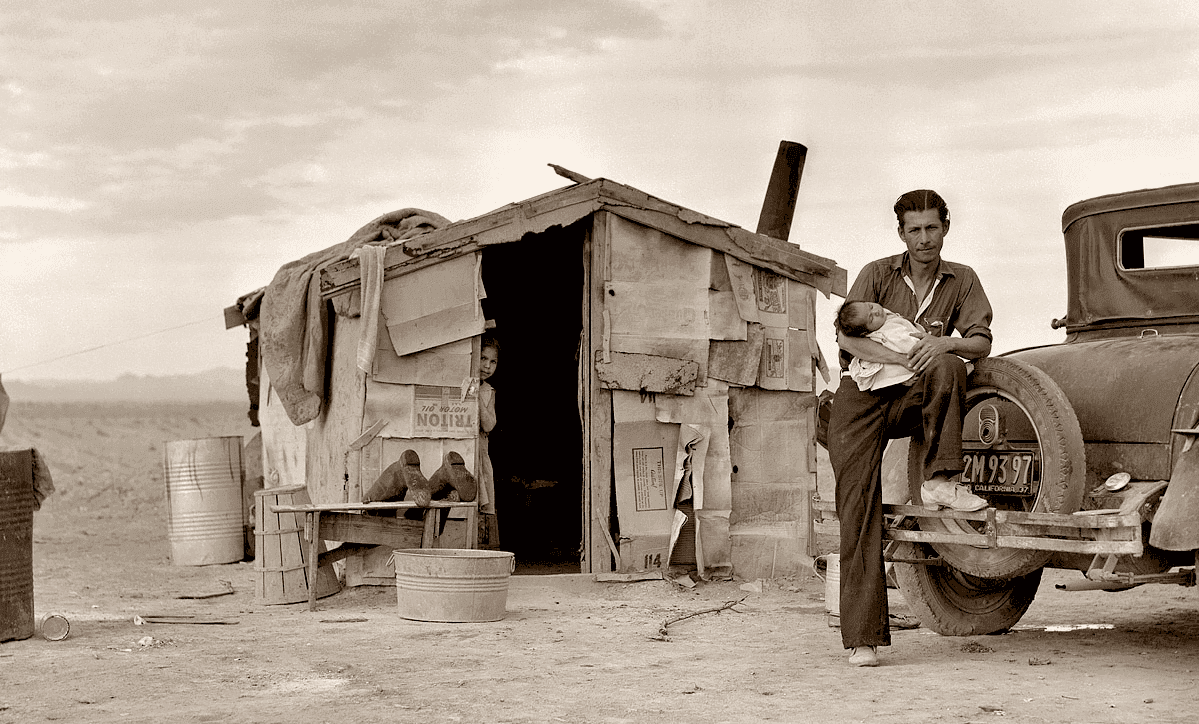
More specific, The wayward cycle is a collection of compositions based on Partch’s own experiences as a transient hobo during the so-called American Depression. The work consists of 4 pieces, ranging from eight hitchhikers inscriptions from a highway railing
(Barstow); the cries of two newsboys on a foggy night (San Francisco), a
depressive message from a hobo friend (The Letter) and a substantial account of
a transcontinental hobo trip (U.S.Highball). All these pieces exist in
several versions realized between early 1940s and the late 1960s, each following version including newly constructed instruments. The whole work has a duration of about 45min.”
Considering the obvious demand for an idiosyncratic
“Partch orchestra”, it seems almost impossible for an outsider to arrange any
of his compositions. Then again, trying to reach for an almost impossible
goal characterizes the human condition. In this way, I accepted
the challenge to enter this highly personal oeuvre, extracting essential
features of the work and translate them into new forms. These will
include microtonal instruments of my own design, although different than
Partch’s. Barstow was the first result and successfully realized by
Ictus in 2005.”
After all, it seems that Partch’s music demands from the listener either to accept
it or to walk away from it. I never walked away from
it. Nevertheless, the way in which Partch was able to transform a
scientific approach to music into a sound world of his own, and giving
direction to his discoveries in the context of ritual, is no more or less than
a very unique contribution to the world of new music.”
GALLERY
CAST & CREDITS
- Tim Mariën, Toeënwâs