Quatuor pour la fin du temps
Quatuor pour la fin du temps
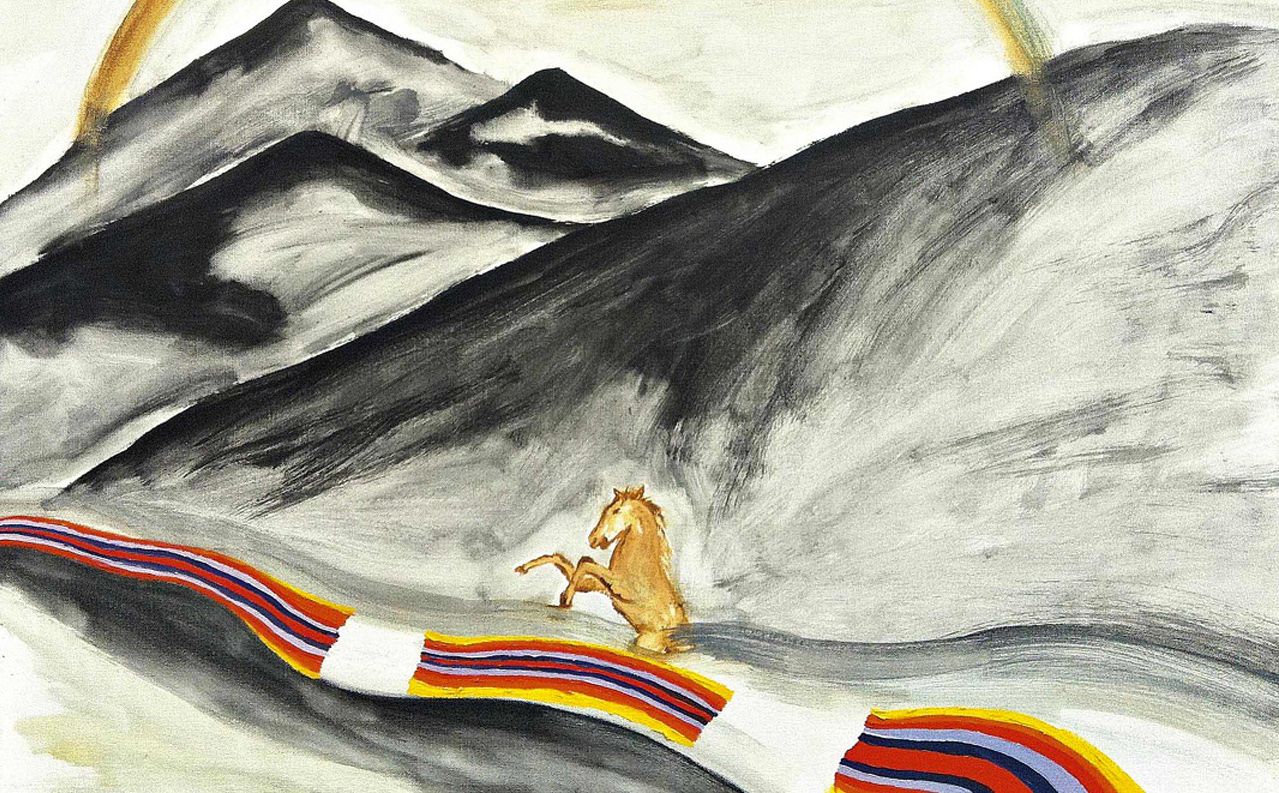
Written during the war, in 1940, when the composer was imprisoned in a labour camp in Görlitz, the Quartet for the End of Time has remained one of Olivier Messiaen’s most moving and most popular works. It is here, for example, that birdsong makes its very first appearance in the work of the ‘composer-ornithologist’, as he liked to call himself. From solo to quartet, all the instrumental combinations are incorporated in eight multi-coloured episodes, organising the work according to the shape of the rainbow. This refers back to one of St John’s visions of the Apocalypse which, of all of them, was the one that struck Messiaen most by its paradoxical association of majesty and ethereal fluidity:
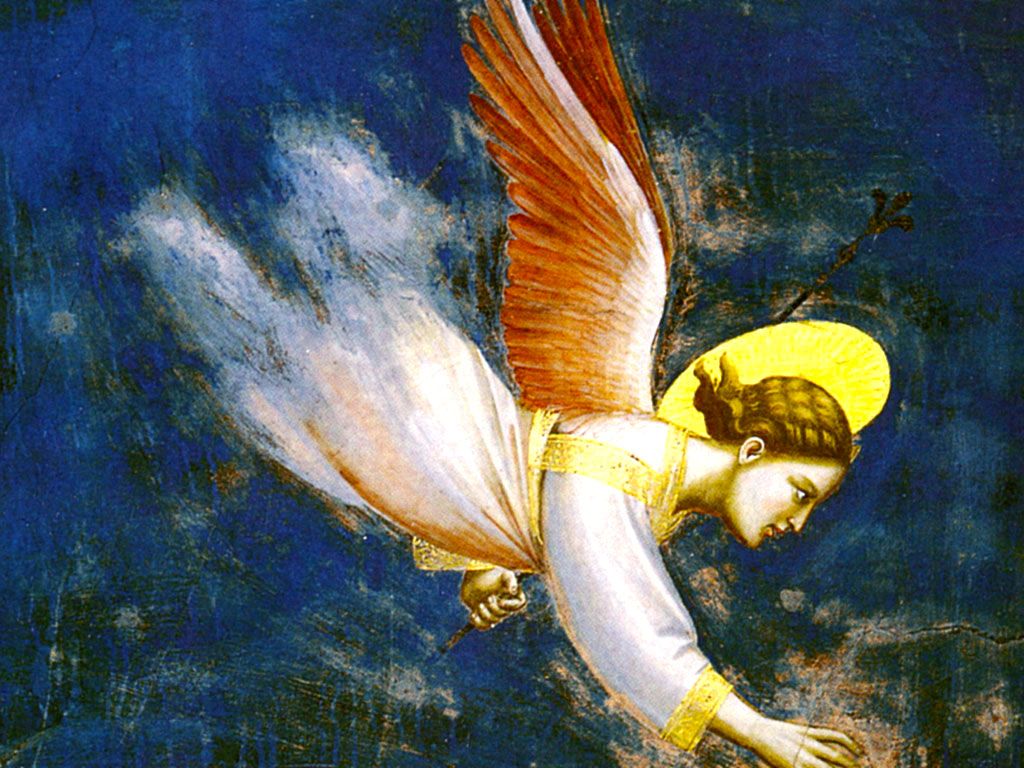
And I saw another mighty angel come down from heaven, clothed with a cloud: and a rainbow was upon his head.
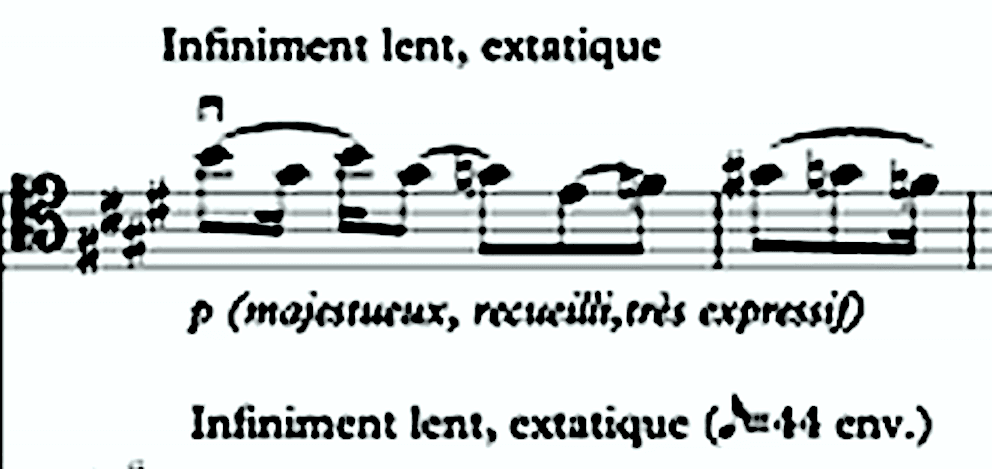
So a powerfully rhythmic ‘Dance of fury’ contrasts with two very moving yet infinitely slow ‘Praises’ of unlimited tenderness, calling for the ‘end of time’.
QUOTES...
In the name of the Apocalypse, my work was criticised for its calm and austerity.
My critics forget that the Apocalypse isn’t just about monsters and cataclysms:
there are also silences for adoration and marvellous visions of peace.
Olivier Messiaen
The rainbow is one of the symbols closest to Messiaen’s heart – maybe because it occurs through a combination of water and fire which, for one time only, do not cancel each other out but work together to create an ineffable effect. In his commentary of the seventh movement of the Quartet for the End of Time, Messiaen describes the rainbow as a “symbol of peace, wisdom and of any light and sound vibration”. Elsewhere he emphasises that “all sacred art – be it musical painting or colourful music – should first and foremost be a sort of sound and colour rainbow”.
Siglind Bruhn
I saw another mighty angel come down from heaven, clothed with a cloud: and a rainbow was upon his head, and his face was as it were the sun, and his feet as pillars of fire. He set his right foot upon the sea, and his left foot on the earth and the angel which I saw stand upon the sea and upon the earth lifted up his hand to heaven, and sware by him that liveth for ever and ever that there should be time no longer. But in the days of the voice of the seventh angel, when he shall begin to sound, the mystery of God should be finished.
St John of Patmos (quoted by Messiaen in the preface of the Quartet)
“The cold was dreadful, Stalag was buried in snow. The 4 musicians played on broken instruments: Etienne Pasquier’s cello had only 3 strings, the keys of my upright piano remained lowered when depressed. It’s
on this piano…dressed in the oddest way – I myself wearing a bottle-green suit of a Czech soldier – completely tattered, and wooden clogs… The most diverse classes of society were mingled: priests, doctors, intellectuals, professional servicemen, factory workers and farmers. When I was a prisoner, the lack of food gave me vivid dreams: I saw the rainbow of the Angel of the Apocalypse, and strange swirling colours. But the choice of “The angel announcing the end of Time” has to do with much more serious matters”.
Olivier Messiaen
From the 4th century onwards, the mystery
of time was one of the favourite subjects of Greek and Roman theologians. Who
can forget St Augustin, whose concept of a freeing of time by the incarnation of
the eternal touched Messiaen profoundly. In his Quartet, devoted to the end of
Time, the composer speaks of his “desire to end time” (...)
The expression “the fullness of time” has two meanings. From God’s (imagined) point
of view, it describes the moment when time is ready for the Word to become
flesh; from the point of view of human beings, it designates the end of a
one-dimensional perception in favour of an intuition which includes the Eternal.
In the phrase, “time sees born in itself the One who is eternal”, Messiaen
expresses this interlacing of time and eternity and thus explains the foundations
of his musical representation.
Siglind Bruhn
GALLERY
CAST & CREDITS
WORKS
1941, for clarinet, violin, cello and piano
1_ Liturgie de cristal
2_ Vocalise pour l'Ange qui annonce la fin du Temps
3_ Abîme des oiseaux
4_ Intermède
5_ Louange à l'éternité de Jésus
6_ Danse de la fureur pour les sept trompettes
7_ Fouillis d'arcs-en-ciel, pour l'Ange qui annonce la fin du Temps
8_ Louange à l'immortalité de Jésus.