
the Lichtenberg Figures
the Lichtenberg Figures
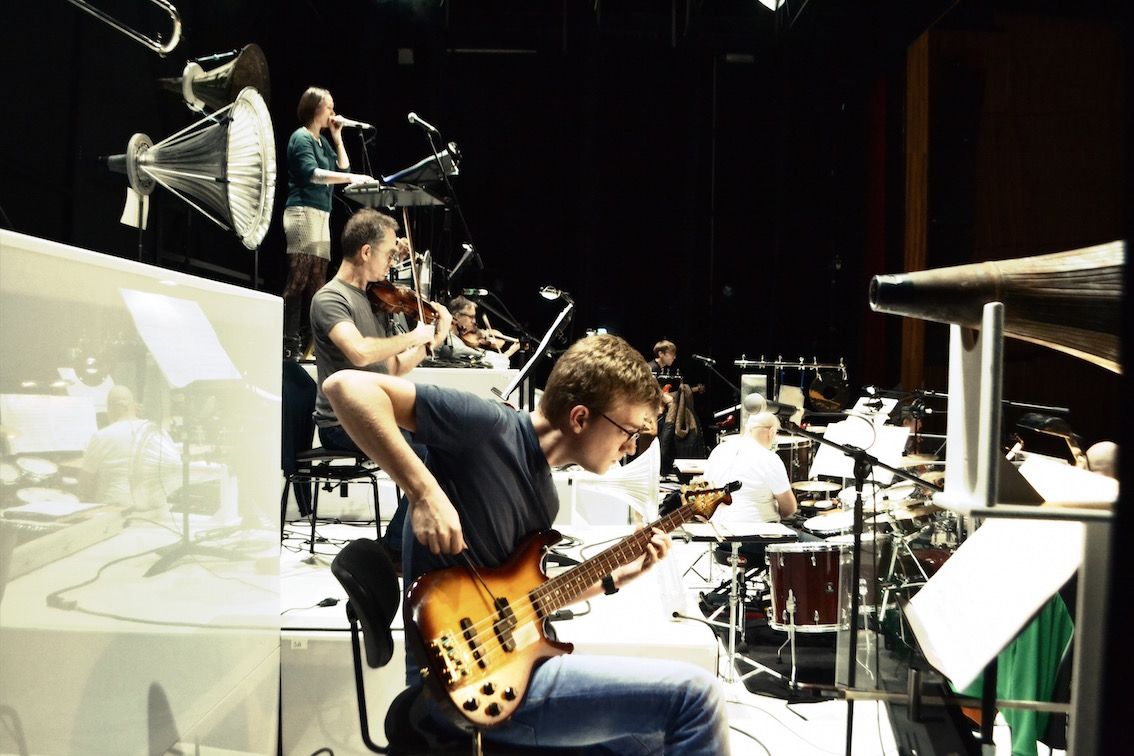
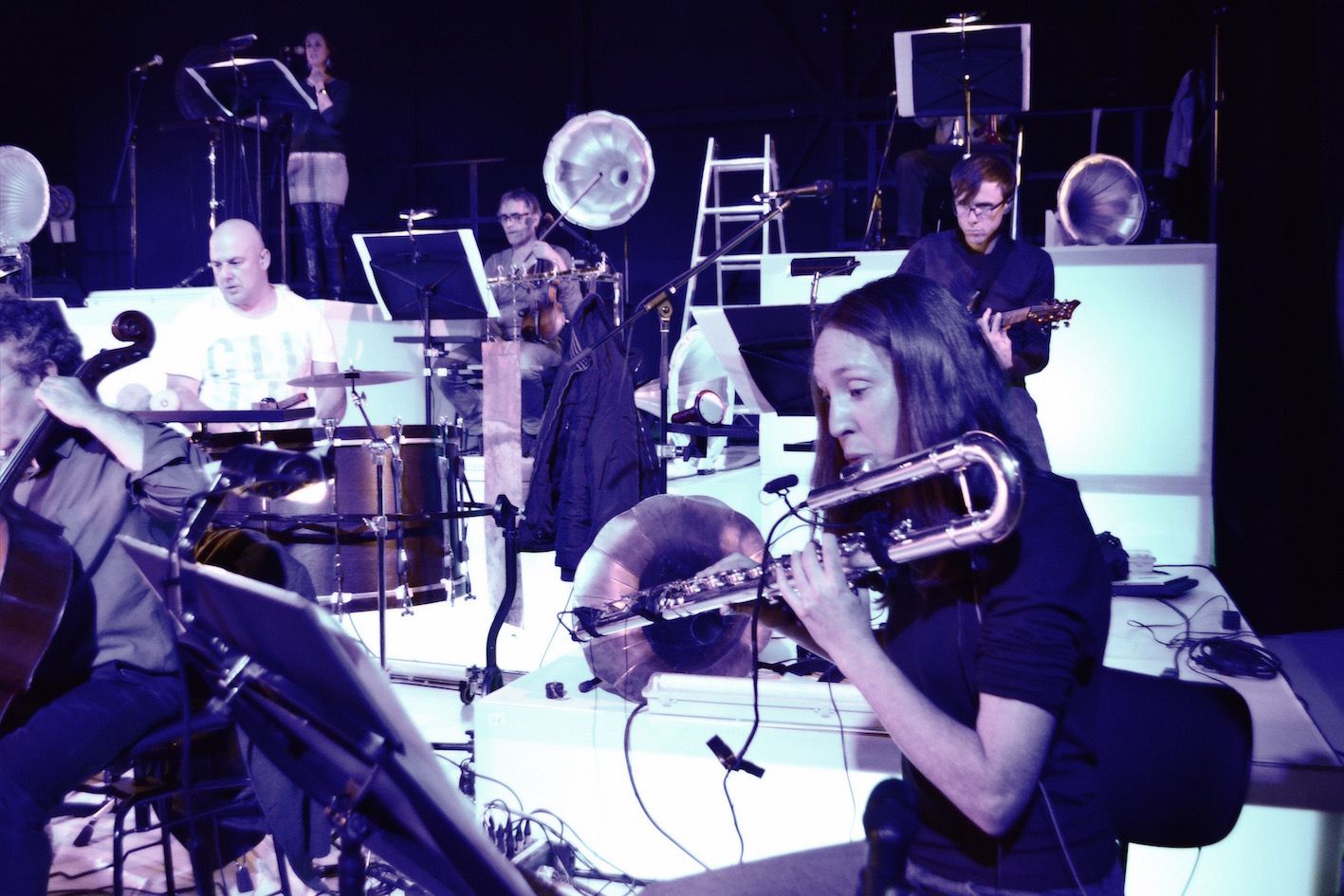
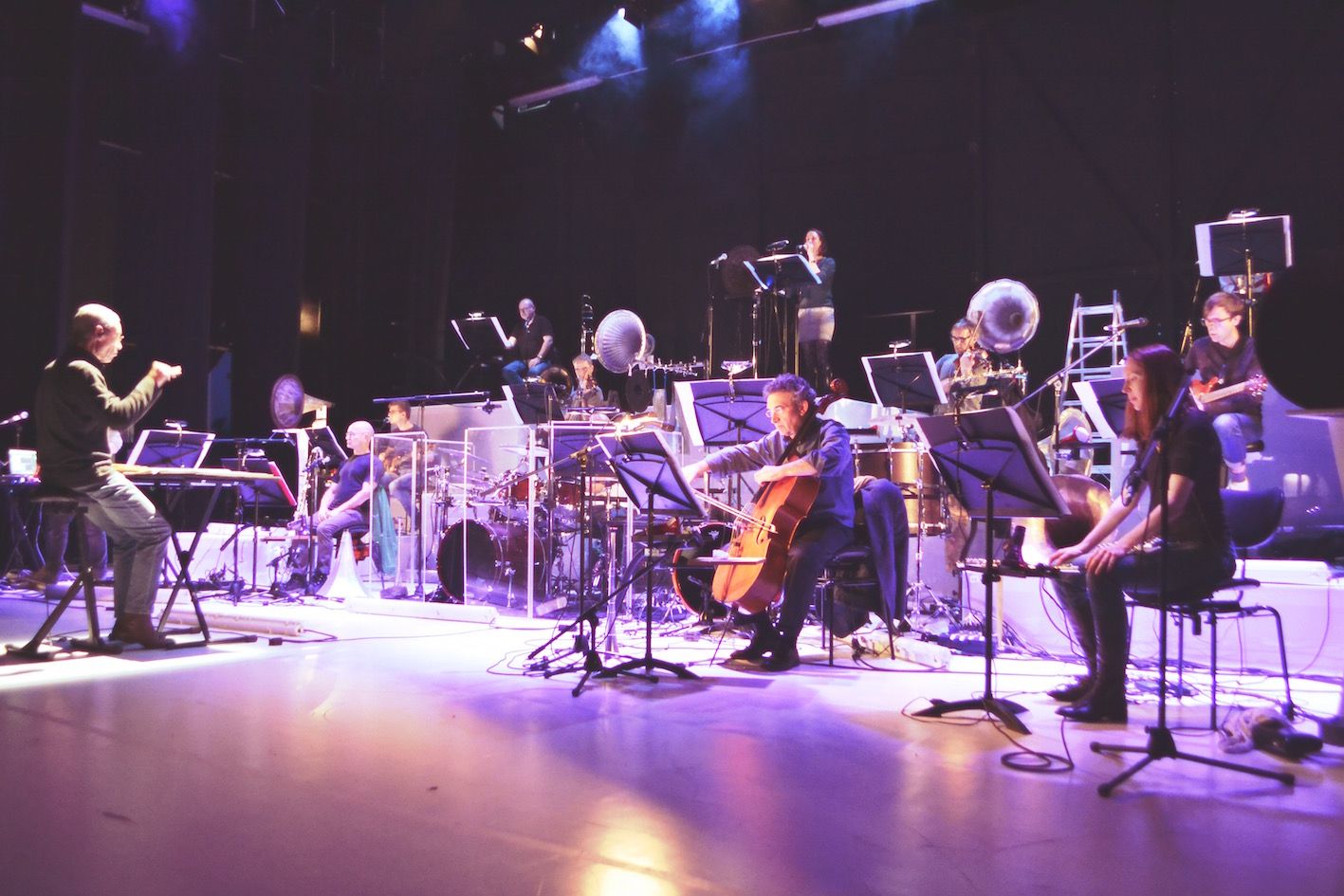
Premiered in Vienna on 25 November, The Lichtenberg Figures by Eva Reiter represents the missing link between Fausto Romitelli and Laurie Anderson. Juliet Fraser electronically processes her voice in real time to offer a marvellous spoken word rendition (Ben Lerner’s collection of sonnets which lends its name to the evening), shot through with lyrical musings. All of this is set against the background of an orchestration whose electric and envenomed impact brings to mind Romitelli at the height of his musical powers, the man responsible for An Index of Metals.
...twisting and twirling, associative ideas, material on the surface of an insulating plate, bodies struck by lightning, a sonnet as symbol of a physical-aesthetic pattern, a playful, brutal and at the same time exciting elegy…
A Book of Ayres
Inspired by the model of the “Book of Ayres”, a popular format from the late Renaissance period, Reiters’ work develops as a series of seven songs or lieder and six instrumental interludes preceded by a prologue: a full evening programme for voice and ensemble. The transitions between the elements are seamless, the borders remain deliberately vague. After a foretaste of the musical space in the prologue, periods of contrast, confusion and ambiguity follow as a counterpart to the surprising and combinatorial poetry of the American writer Ben Lerner. The Lichtenberg Figures, the unconventional collection of sonnets that Lerner wrote in 2004, are full of rapidly shifting perspectives, from everyday observations that verge on the banal, quotations and scientific considerations to ironic comments.
The Lichtenberg Figures
Physically, “Lichtenberg figures” refer to the fern-like patterns that, on discharging extremely high voltages, are formed on insulating plates or even on human skin when struck by lightning. This physical phenomenon of fanning out in multiple directions is also a theme in the work of Ben Lerner where the line of thought is masked and repeatedly broken. The reader is immersed in ambiguity and challenged to find his way within a language rich in metaphors. The associative potential of the sonnet is here exploited to the extreme.
Mental images run parallel with dazzling dialogue, brutal and violent observations, jokes, irony, critical and pointed introspection. The German translator Steffen Popp summed it up as follows: “The Lichtenberg Figures could be seen as a machine, where the task is to discover what constructions function and why, where the parts fit precisely and what exactly is produced.”
A musical background
Throughout this text full of metaphors Reiter creates a musical landscape, a personal coordination system, an open network in which the listener can take up position, and which could function as a resonating psychogram of society. The sound is raw, disturbing and fierce. It is the shadowy side of Reiter’s identity, or rather of one of her possible identities by which she allows herself to be guided. Uncompromising and wild anger, fear and unrest define this musical dramaturgy.
Every situation in our day-to-day life is a possible stimulus to connect with and relate to this environment. Every external impulse can, in a hundredth of a second, spark multiple reactions and thus leave a mental footprint of multiple, ramifying strands. As to which reaction ultimately prevails, it is primarily social factors, fear and the desire to continue to function that are determining.
The Lichtenberg Figures is based on the darker side of our mind, of our existence, which lives a life independent of a behaviour that conforms to society and that can even develop a brutal dynamic. Optical illusions, hallucinations and the building of an inherent identity all play an important role.
Lighting
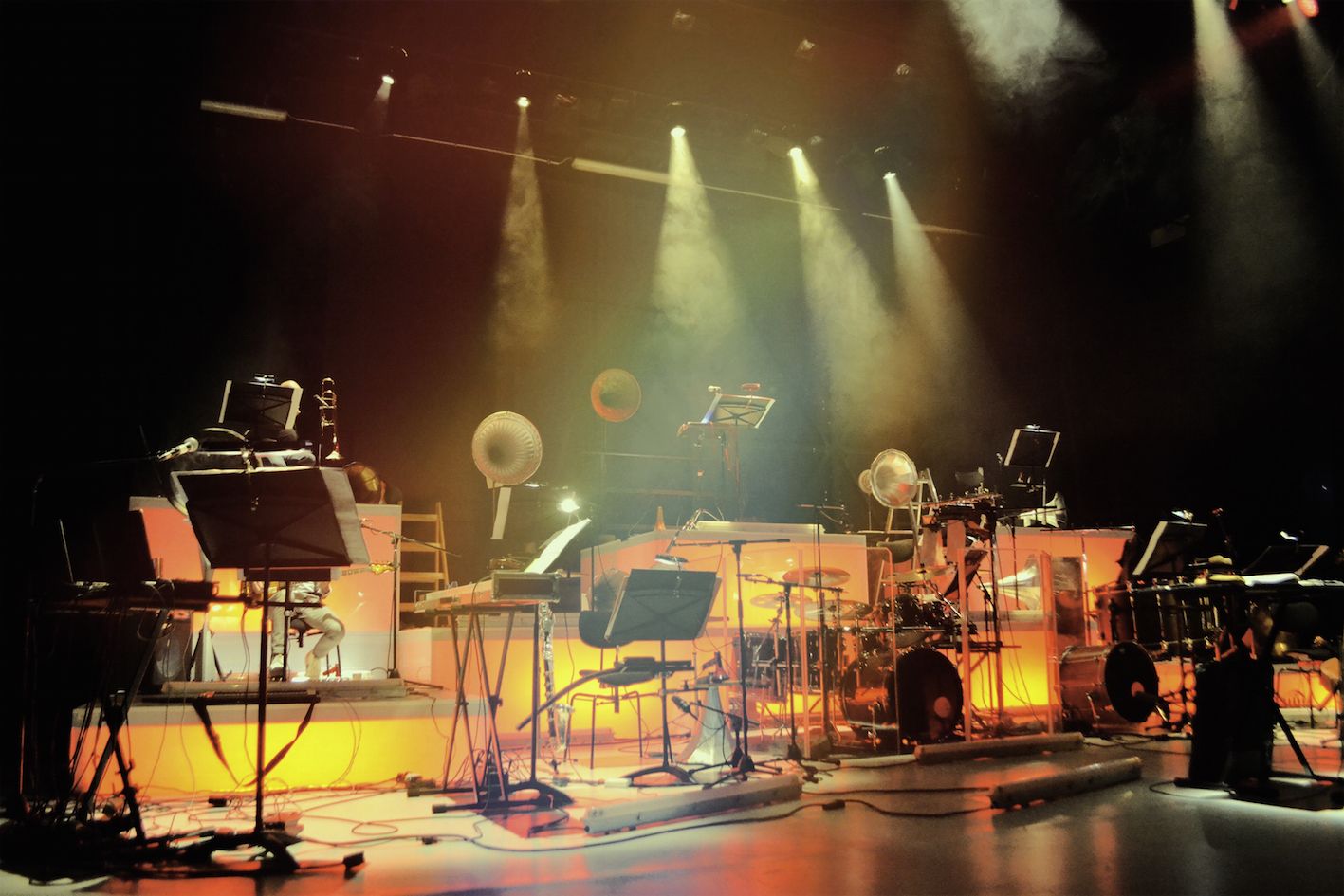
In an apparent contrast, the lighting functions as a measurable physical phenomenon, with the deliberate dazzling, illuminating or colouring in of specific instrumental sounds, the artificial shading and manipulation of the voice to lend a framework to the spoken word. The different identities that appear in the text acquire their own character and life.
Electronics
The function of the electronics: like the Greek chorus in the theatre of antiquity the electronics play an intermediary role between the musicians and the listener. The perception is commented upon, reflected, transformed but also manipulated. The electronic component includes information that is not expressed in the sound produced by the instruments but that is nevertheless determining for the formal progress of the work that constitutes the underlying connection between the different lieder.
The Reiter method
The manner in which Reiter sets to work enables her to record the instrumental material in advance and then to process it in the electronics context, down to the smallest detail. Nothing is left to chance. The instrumental nature of each song is thus the point of departure for the electronic framework of the interlude or opens the musical framework of the next song. In the prologue, which functions as a foreword in a book and that is always written after the work itself, all the songs are already present. In this way the beginning is a panorama of everything that is to come.
Eva Reiter (19/01/2015)
Kaaitheater
GALLERY
CAST & CREDITS
WORKS
Lights: Nico de Rooij and Djana Covic (SIDF)
Scenography: Eva Reiter and SIDF
Conductor: Georges-Elie Octors
Voice: Eva Reiter
Mixing: Alexandre Fostier
assisted by Antoine Delagoutte
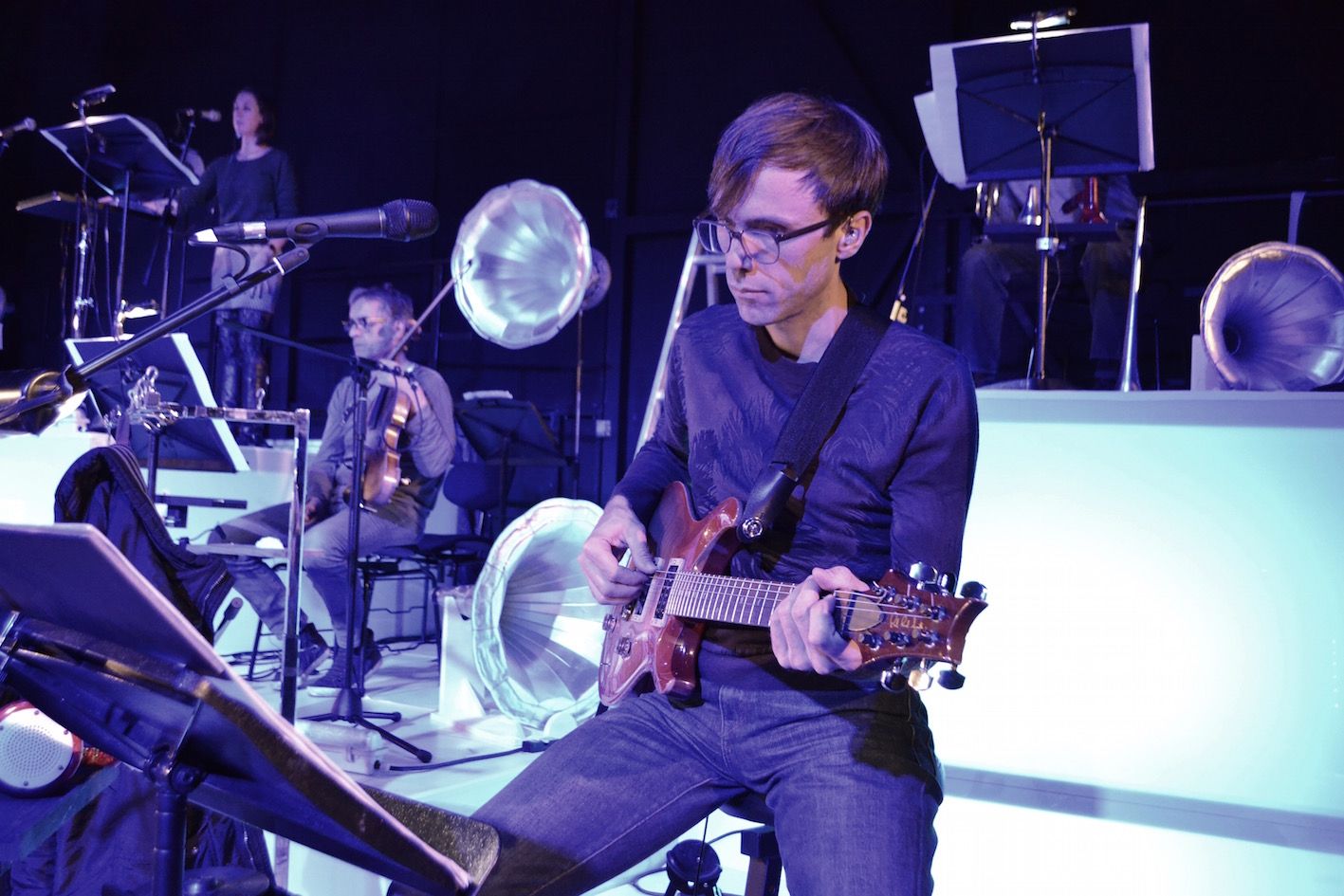
Ictus: flute and clarinet, trumpet and trombone, percussion, electric guitar and keyboards, string trio, e-bass
Production and commission
Wien Modern & Ictus
Supported by