Forces in motion (with Brussels Philharmonic)
Forces in motion (with Brussels Philharmonic)
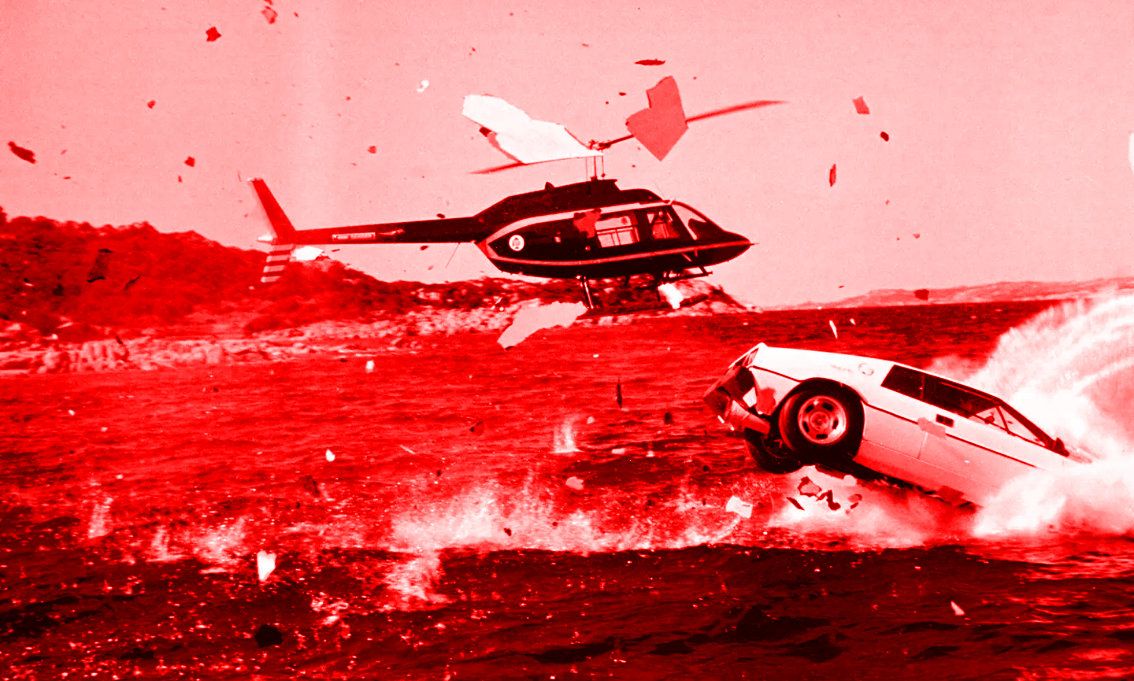
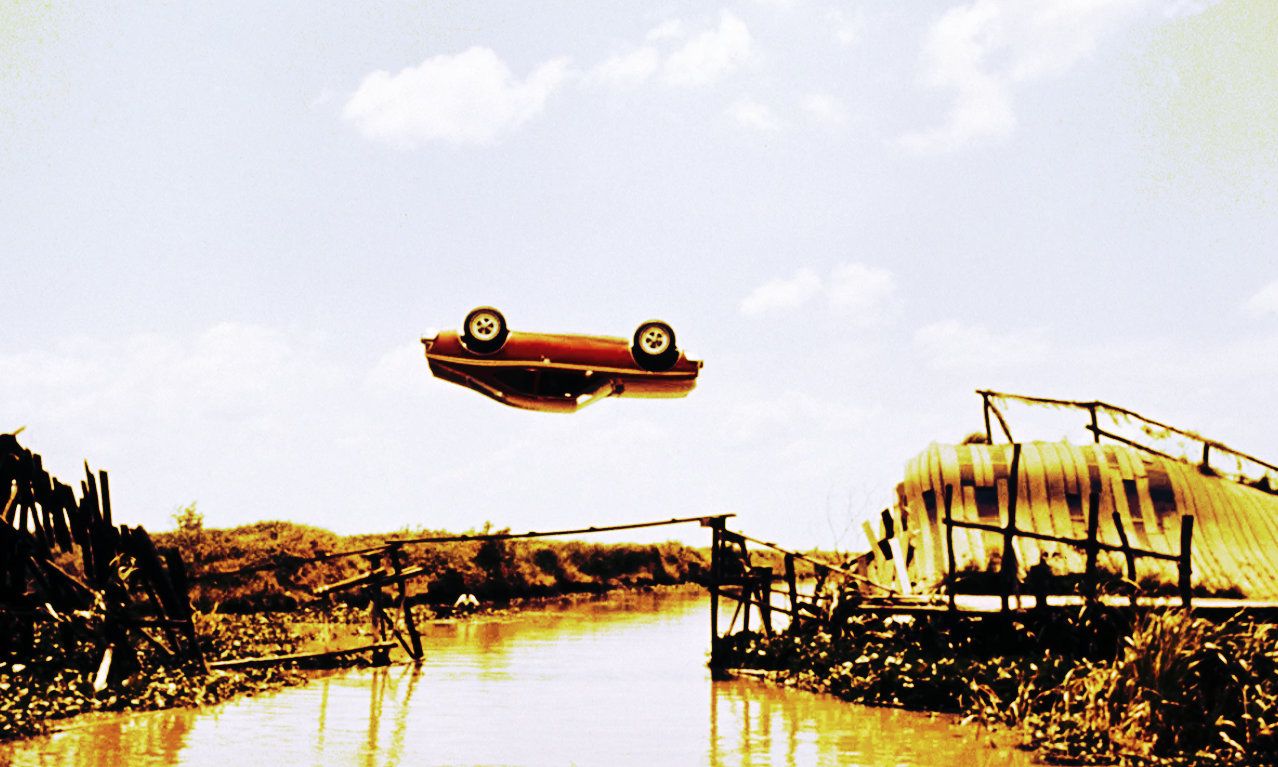
Brussels Philharmonic joins Ictus: the orchestra explodes! The Concertgebouw stage becomes a club with a bar, with the musicians almost within reach. On the menu: psychedelic immersion between two orchestral groups with Lucier's 'diamanten in de lucht', a turntable/orchestra competition, and a journey far beyond genres (jazz, classical, experimental) with Anthony Braxton's dishevelled Creative Orchestra Music, which describes a chase through the streets of the city.
THE STORY OF COMPOSITION No. 151
by Anthony Braxton
(...)
"It's now or never!" shouts Jason as he pushes the officer into the sand.
"Get in the car and drive, man!" he yells.
The first car then pulls out into the highway.
"They'll never catch us now, Harvey! I know Composition No. 151 forward and backwards. I could drive these lanes with one hand," he chuckles.
"The race is on!"
And with that remark, he pushes the gas pedal down to the floor. Now both cars are on the highway, travelling at 70 miles an hour. From the police car a megaphone appears as the unnamed second policeman yells from the window. "You'll never get away with this one, guys! Composition No. 151 is not a monophonic structure that only addresses the needs of extended improvisation, as defined by post-Ayler, Cage or AACM (for that matter) structural prototypes, but rather, this is a tri-metric architectural reality that points to a breakthrough in form building and structural categories. This is a transparent terrain of sound beam constructions that define a way of thinking and re- acting. Pull over or else!"
"In this soundstate, the individual looks for the 'transparent corridor/layer' as a means to view a 'freshly unified, theatre of form/relationships/alliances," says officer Zuphthon (pronounced Zu- frum -kín). "I see this phenomenon as tri-metric!" (He laughs).
"Oh yeah," says Bugsy (the now-named, second policeman). "We've got to stop these guys! Composition No. 151 reminds me of Chicago in the meat house period! Every railroad company connected to the City in those days. I even remember the old rock island railroad!" Harvey interrupts, "keep your eye on the speedometer, Bugsy-system changes in these lanes are serious business!"
"Maybe we better tell him, Zuphthon," says Bugsy (as he stares his fellow patrolman right in the eye). Maybe we better tell him!"
Officer Zuphthon straightens his tie and picks up the megaphone. This would be the last opportunity to reach out to the renegade drivers. He wanted to clarify the nature of the inquired.
"Gentlemen," he began, "let me make myself perfectly clear about this soundspace; these lanes have not been approached lightly. Know at least this much!" he cried out. "Composition No. 151 is a tri-metric structural model that is scored for 25 instrumental parts as a prototype of the new 'E' system scaffolds (if I can say it that way). This is a structural universe conceived in the stable, mutable and synthesis sound space that will serve as an all-purpose genetic network as part of the evolving material base of the new tri-metric musics of tomorrow. "Hey, slow up!" Harvey says, "the lanes thin out here and we become a solo act" (he laughs). Jason continues, "This is a structural/concept space that contains the traditional references without traditional definitions! Not to mention, that like all 'E' class models, Composition No. 151 has three apparent states of disassemblement that expands the role of notated target logics - right on down to the individual soloist. Even the 'M' class structures didn't do that much!" (Now both groups are happy as they gaze out of the car windows.) "Hey!" says Jason, pointing his finger at the reappearing sound shapes. "I recognize that shape. That's the third time that one's come around. At the next one make a left and prepare to join a convoy in the transfer sign zones (I say try for the C trains/signs. It's like catching the express trains in the New York subway - as long as you're not stopping at 83rd Street it's great!)"
They both laugh.
(...)
GALLERY

CAST & CREDITS
WORKS
- Ilan Volkov, conductor
- Mariam Rezaei, turntables
- Nabou Claerhout, Ictus
- Ruben Orio, Ictus
- Maris Pajuste, Ictus
- Jean-Luc Plouvier, Ictus
- Piet Van Bockstal, Ictus
- Kobe Van Cauwenberghe, Ictus
Alvin Lucier (1931-2021)
Diamonds for 1, 2 or 3 orchestras
Anthony Braxton (1945)
Creative Orchestra (compositions No.151 & 147)
Matthew Shlomowitz (1975) & Mariam Rezaei (1984)
Scenes for Turntables and Orchestra ++
++ Commissioned by Darmstadt Summer Course, Ictus, deSingel, Concertgebouw Brugge, Brussels Philharmonic and nyMusikk Oslo